


By Cindy Gonzalez
Nebraska Examiner
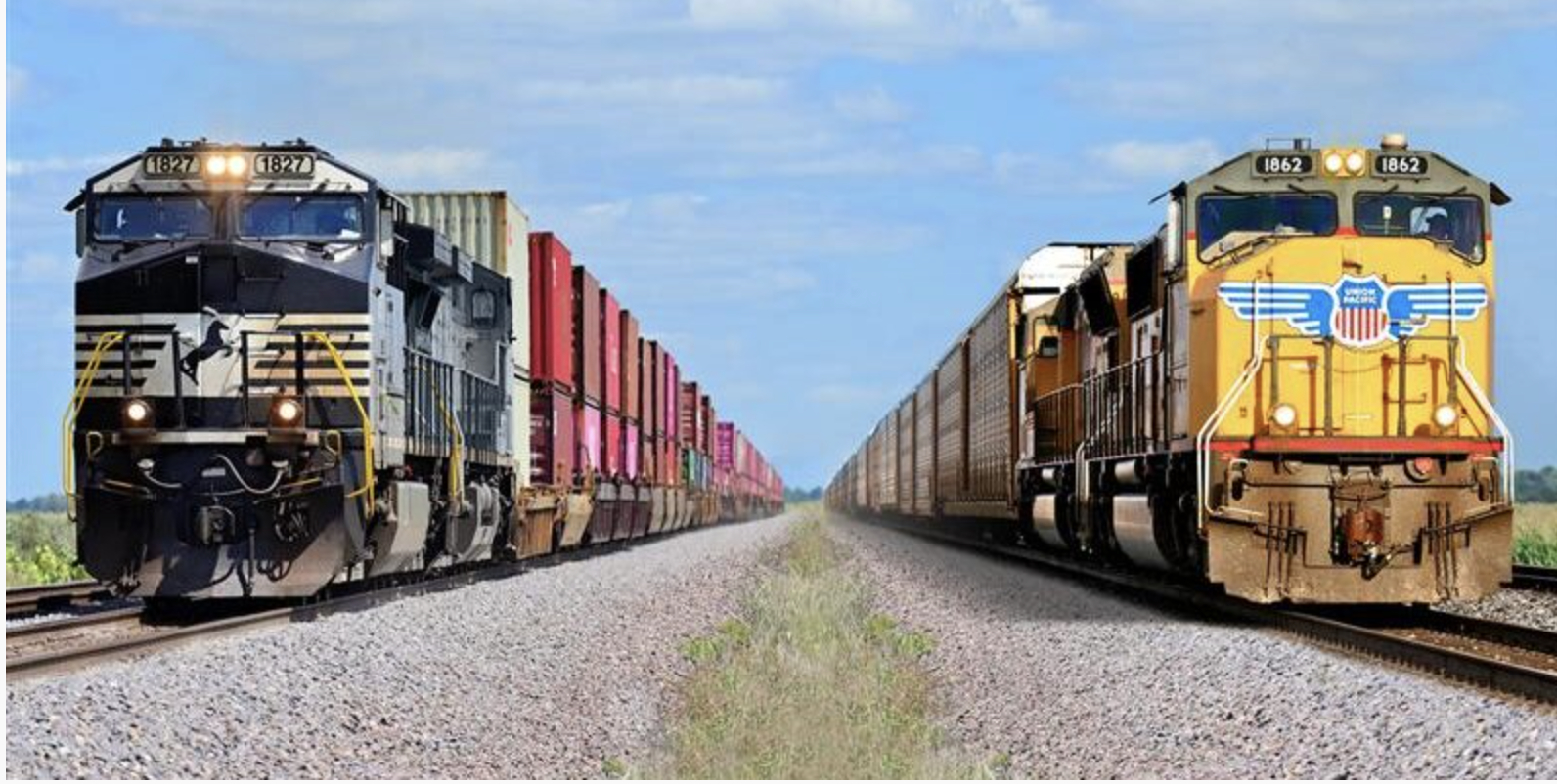
OMAHA — Nebraska officials seek to sweeten corporate tax incentives that spur job growth in the state, targeting Union Pacific Railroad in particular as it merges with another railroad giant that just five years ago opened a new headquarters in Atlanta.
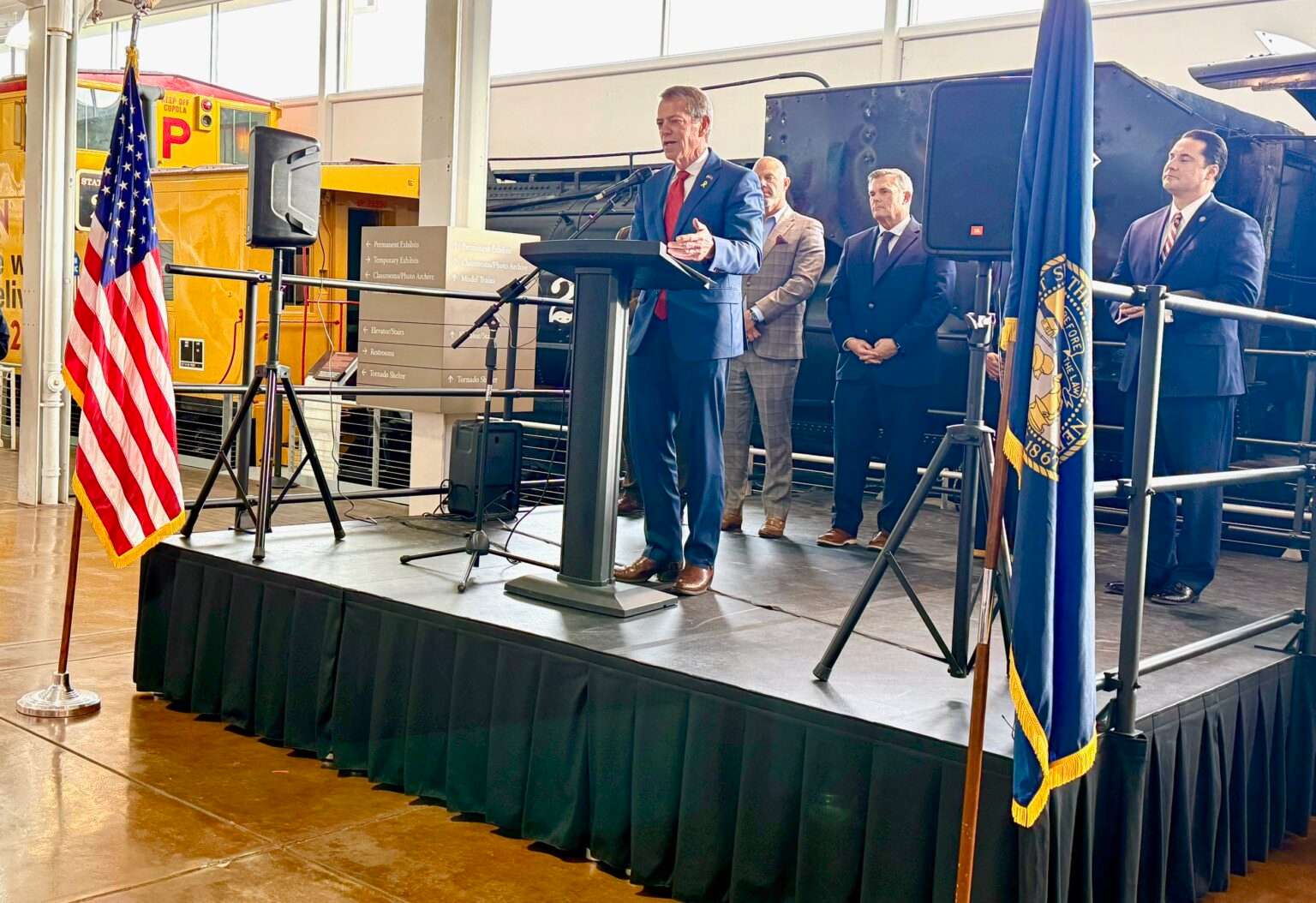
Gov. Jim Pillen, Omaha Mayor John Ewing Jr., and the heads of the Omaha and Nebraska business chambers of commerce held a news conference in Omaha Friday touting Legislative Bill 1165, newly introduced by State Sen. Brad von Gillern on behalf of the Pillen administration.
Dubbed the “Grow the Good Life Act,” the proposal modifies three existing business incentive laws. Key changes ensure that a large employer undergoing a merger or acquisition gains benefits that might encourage them to stay and grow in Nebraska, said von Gillern, chair of the Legislature’s Revenue Committee.
While U.P. is not identified by name, portions of the bill appear tailor-made for the Omaha-based railroad company as it seeks federal approval of an $85 billion merger with Georgia-based Norfolk Southern to create the nation’s first single-line coast-to-coast rail system. The merged systems would create a combined enterprise of more than $250 billion.
The union of two Fortune 500 transportation companies faces opponents and saw a setback recently when the Surface Transportation Board rejected an initial application as incomplete. U.P. said it will provide the necessary information.
‘Aggressive, assertive’
On Friday, Pillen proclaimed as “groundbreaking” the initiative that addresses pressure business groups have put on his administration to focus more on economic development, as he has concentrated on property tax relief measures.
This is more aggressive and assertive than anything we’ve ever done before,” Pillen said at the event, which used vintage U.P. railcars as a backdrop at Omaha’s Durham Museum.
An estimated cost has yet to be attached to the new incentives, said von Gillern, who emphasized that provisions were sure to change as the measure advances through the law-making process.
He called it a pay-for-performance plan — “not welfare, not a give-away.”
Ewing said he hopes for a “Super Bowl” business climate.
“We have to run new plays. We have to expect to win companies, jobs and people,” the mayor said. “We’ve got to be willing to have the courage to go for it on fourth down.”
In response to a reporter’s question, Pillen said the state had not negotiated an incentive package with U.P. He said other businesses could benefit from the legislation as well, and mentioned HDR and Kiewit Corp. as among growing companies that could perhaps tap revamped incentives.
U.P., in a statement to the Examiner, said the railroad was “excited to grow with Nebraska.”
“We support Governor Pillen and the Legislature’s goals of attracting and retaining high-paying jobs in the state.”
Upon announcing the acquisition plan last July, U.P. leaders said the combined company would be headquartered in Omaha and that Atlanta will remain a “core location” with a focus on technology, operations and innovation.
U.P. employs more than 5,500 people in Nebraska (about 33,000 nationwide) and operates more than 1,000 miles of track in the state. The railroad has maintained operational headquarters in Omaha for more than 160 years, and moved into a then-new downtown Omaha headquarters in 2004.
Nationally, Norfolk Southern has more than 20,000 employees, with more than 3,000 at its Atlanta headquarters that the company opened in 2021.
Staying ahead of competition
Von Gillern said possible relocation should be a concern, noting that Georgia has been “very aggressive “with incentive offerings. He said the Norfolk Southern Atlanta campus is “pretty stunning.”
“We have to be ahead of our competition,” von Gillern said. “This bill will benefit the employees of Union Pacific and Nebraska taxpayers by ensuring that a high-caliber, high-paying great corporate citizen stays here in our home state.”
Incentives laid out in LB 1165 include sales and use tax credits and grants, and modify the Key Employer and Jobs Retention Act, the ImagiNE Act, and Site Building Development Act.
Key provisions apply to private employers in the state that have more than 3,000 full-time workers and an enterprise value of more than $25 billion after a merger. As currently written, von Gillern said, those employers could be eligible for a 10% tax credit for bringing to the state 1,000 full-time jobs with $90,000 salaries over a seven year period.
Another change, not to exceed $5 million in 2026-27 fiscal year, would provide capital improvement grants to employers following a change of ownership.
The Department of Labor also would establish a grant program, not to exceed $300,000 annually for any employer, to provide workforce retention and recruitment support to businesses undergoing an ownership change.
LB 1165 responds to pressure from Nebraska business leaders who have been releasing studies showing the state falling behind some of its peers in job growth and economic development.
Clear message
Heath Mello, a former senator who had led the Legislature’s Appropriations Committee and is now CEO of the Greater Omaha Chamber, said the legislation reflects months of discussion with the Pillen team to retain and expand jobs and talent.
Tax incentives, Mello said, are usually the first thing companies look for in deciding where to build a workforce and commercial enterprise.
He noted that “some of Nebraska’s most iconic employers” currently are navigating major ownership changes, and mentioned U.P.
“This legislation sends a very clear message: Nebraska is prepared to meet change with confidence,” Mello said.