


By Cindy Gonzalez | Nebraska Examiner
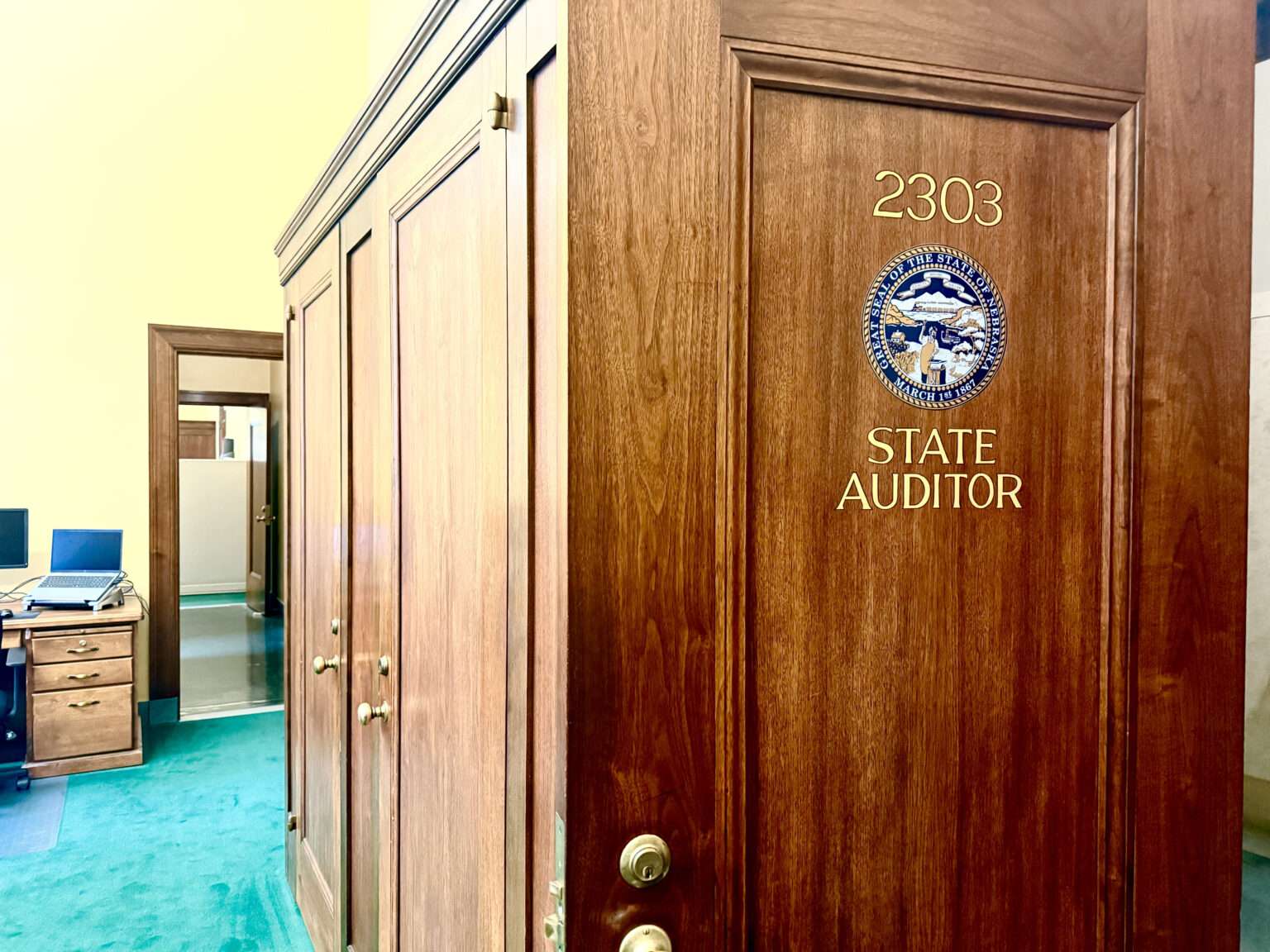
LINCOLN — The Nebraska auditor has challenged public spending and reimbursement practices by the head of the state’s largest agency, including questioning some meal and alcohol charges while on state trips.
Auditor Mike Foley laid out his concerns in a nine-page letter Thursday to Steve Corsi, CEO of the Nebraska Department of Health and Human Services, which represents more than a third of the state’s general fund spending.
The probe began with complaints to the Auditor’s Office about the use of DHHS purchasing cards and expense reimbursements. It led to red flags raised regarding the use of state-issued purchasing cards and other matters related to Corsi.
Foley declined to elaborate beyond the publicly available report, saying that he views Corsi as a man of “high integrity” and sees the situation as a regrettable learning experience for the CEO and his staff.
Among key findings alleged by the auditor’s team:
- A state credit card issued to Corsi was used to make 105 transactions, totaling $19,477, during a two-year period ending in October 2025. Of those, the auditor team identified “issues” with 44 purchases totaling $3,281.
- Specifically noted were instances in which Corsi was paid a per diem travel amount yet also charged meals on the state-issued purchasing card, also known as a P-Card.
- While out of town on business, Corsi used his assigned purchasing card to cover a group dinner that included two alcoholic drinks.
- Corsi’s payroll allegedly lacked required adjustments for taxable meal purchases.
- Documentation was lacking to support certain card purchases, and Corsi reportedly submitted a few “untimely” expense reimbursements, including one turned in 170 days after the charge.
DHHS response
Corsi was provided a draft of the findings prior to the Thursday letter. A DHHS response included in the letter said the agency has received reimbursement for the overlaps and for the alcohol purchase.
DHHS said it would continue to work through items identified as possible taxable income to determine the correct amount to be included in Corsi’s taxes.
“The agency acknowledges the importance of including accurate supporting documentation and timely submission for reimbursement and will ensure that employees follow this standard,” it said.
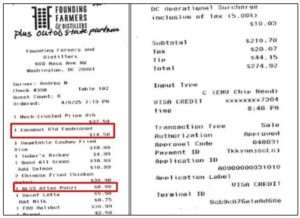
The auditor’s letter included several receipts and a listing of “disallowed” purchases.
One referenced an April 7-9 trip to Washington D.C. last year. The team noted that although Corsi received a daily travel-related reimbursement from the state, he also charged meals on the state purchasing card, one for the $274 group dinner.
“Dr. Corsi not only used his assigned state P-Card to make meal purchases while in travel status but also received per diem allowances for those same meals. As a result, the (auditor) questions the propriety of these meal charges,” the auditor’s letter said.
The audit team said that according to the state’s purchasing card program manual, allowable buys do not include “meals while traveling on state business” because those costs must be “reimbursed through an expense reimbursement document.” That request form, the team said, is used to ensure that employees are reimbursed in sync with the per diem rate.
The $274 dinner purchase made on Corsi’s card included two alcoholic drinks, a “coconut old fashioned” and an “atlas ponzi.” The auditor’s report noted that DHHS had asked Corsi to reimburse the cost of one drink but not the other.
“Despite the lack of any express prohibition against purchasing alcohol with state funds, it should be self-evident that such purchases are improper,” the auditor report said.
DHHS: Corsi doesn’t drink alcohol
DHHS spokesperson Jeff Powell on Thursday shed further light, saying that Corsi does not consume alcohol and was not aware at the time that alcoholic beverages had been included in the total bill.
“As soon as this was brought to his attention, he promptly reimbursed the full amount associated with those charges,” Powell said.
Powell said that while Corsi was on official business in Washington, D.C., and “promoting important policies on behalf of the state,” he attended a working dinner where meals were purchased using his state P-Card.
“Regarding the questioned overlap in per diem allowances, that was an administrative oversight.” Powell said. “Once identified, Dr. Corsi immediately reimbursed those funds as well.”
Powell said Corsi acted quickly to correct “inadvertent errors.”
Foley’s team also cited a section of the state’s accounting manual, which says meal reimbursements during one-day business trips should be considered taxable income for the employee if the amount surpasses $200 in any calendar year.
Based upon Corsi’s buys at places such as Jimmy Johns, Nothing Bundt Cakes and Bison Witches Bar, the auditor team wrote, he was “well above” the taxable amount in 2024 and 2025.
“Therefore, a payroll override should have been processed during that applicable calendar year, which would have added the reimbursements to the employee’s gross wages and withheld the correct amount of payroll taxes,” it said.
Foley, in his limited remarks, said he is confident that problems noted in the report “will not be a recurring issue” for Corsi.
The auditor hinted that issues at hand were more likely to have been mishandled at the staff level than by the administrator.
“These matters are regrettable accounting lapses not questions of impropriety,” Foley said.