


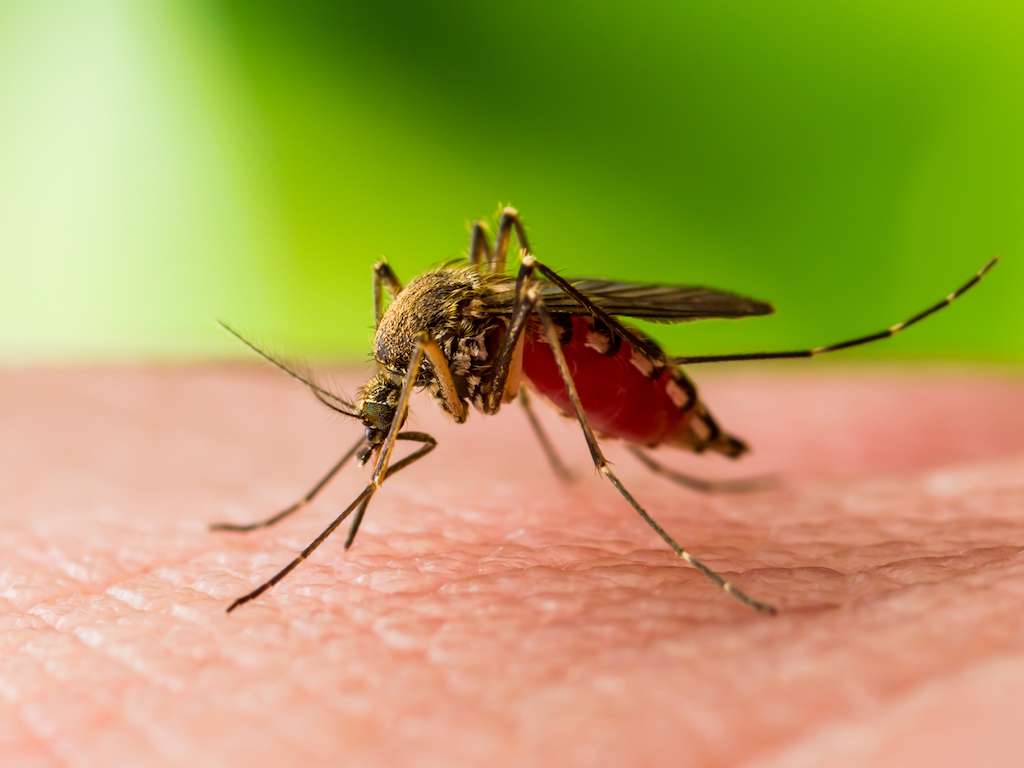
As mosquito season ramps up across Nebraska, state health officials are reminding healthcare providers and residents to be on the lookout for West Nile virus, which historically begins increasing across the state in July.
According to the Nebraska Department of Health and Human Services (DHHS), the state has recorded one human case of West Nile virus and one positive mosquito sample so far this season. Historically, human infections begin appearing in mid-July, peak around Labor Day, and taper off by mid-September.
In 2025, Nebraska reported 54 human cases of West Nile virus. Of those, 20 were classified as severe neuroinvasive disease, though no deaths were reported.
Most people infected with West Nile virus—about 80%—never develop symptoms. Those who do may experience fever, headache, fatigue, muscle or joint pain, swollen lymph nodes, rash, or eye pain after an incubation period of three to 14 days. In rare cases, approximately one in 150 infections can progress to serious neurological illnesses such as meningitis or encephalitis, causing symptoms that may include high fever, neck stiffness, confusion, seizures, muscle weakness, numbness, paralysis, or vision changes.
DHHS is encouraging healthcare providers to consider West Nile virus testing in patients with unexplained fever or neurological symptoms during mosquito season. The department is also reminding providers to ask patients about recent mosquito exposure and travel history when evaluating potential infections.
The health advisory also highlights two other mosquito-borne illnesses that, while rare, are present in Nebraska: Jamestown Canyon virus and Cache Valley virus.
Jamestown Canyon virus has only been identified once in a Nebraska resident, though infected mosquito pools have been detected in recent years. Cache Valley virus has never been confirmed in a human case in Nebraska, and fewer than 10 human cases have been reported nationwide. Both viruses can cause symptoms ranging from mild flu-like illness to severe neurological disease.
There are currently no vaccines or specific treatments available for West Nile virus, Jamestown Canyon virus, or Cache Valley virus. Treatment focuses on relieving symptoms, with severe cases requiring hospitalization and supportive medical care.
Health officials encourage Nebraskans to reduce their risk of mosquito bites by using insect repellent, wearing long sleeves and pants when outdoors, and eliminating standing water around homes where mosquitoes can breed. Weekly West Nile virus surveillance reports are available through the Nebraska DHHS.