By PPHD

David Brett-Major, MD, MPH joined the Monday, September 27 briefing to discuss COVID and preventable deaths. He is a professor at the University of Nebraska Medical Center, College of Public Health in the Department of Epidemiology. The full presentation is accessible here: https://tinyurl.com/3xrekfr9.
Dr. Brett-Major began with noting the Panhandle’s current case rates and how it is clear that every single age group is affected.
“There’s a narrative that COVID only affects certain age groups and clearly that is wrong based on this data,” he conveyed.
He continued and explained that last year as we were preparing for school to return in the fall, about 5 COVID cases per 100,000 was a concerning rate. Currently, rates are about 50 times higher at 300 cases per 100,000 and this is concerning for several reasons. It reminded him of a recent driving experience in the Panhandle.
“Drivers around the Panhandle are a whole lot better than in Omaha. In Omaha, no red light goes unchallenged and the driving reference is one you’ll appreciate,” he compared. “At less than 5 cases per 100,000, we were driving on a street where our kids live. At the current rate of 300 cases per 100,000, we are on I-80 going 80-85 MPH. We got so used to driving this fast that somehow it became ok to drive on our street at this rate.”
This month the nation has reached a grim total of losing almost 700,000 people in the last year and a half from COVID. This is double the death rate of the Civil War, double the death rate of World War I, and current rates are rapidly striving to hit levels during World War II.
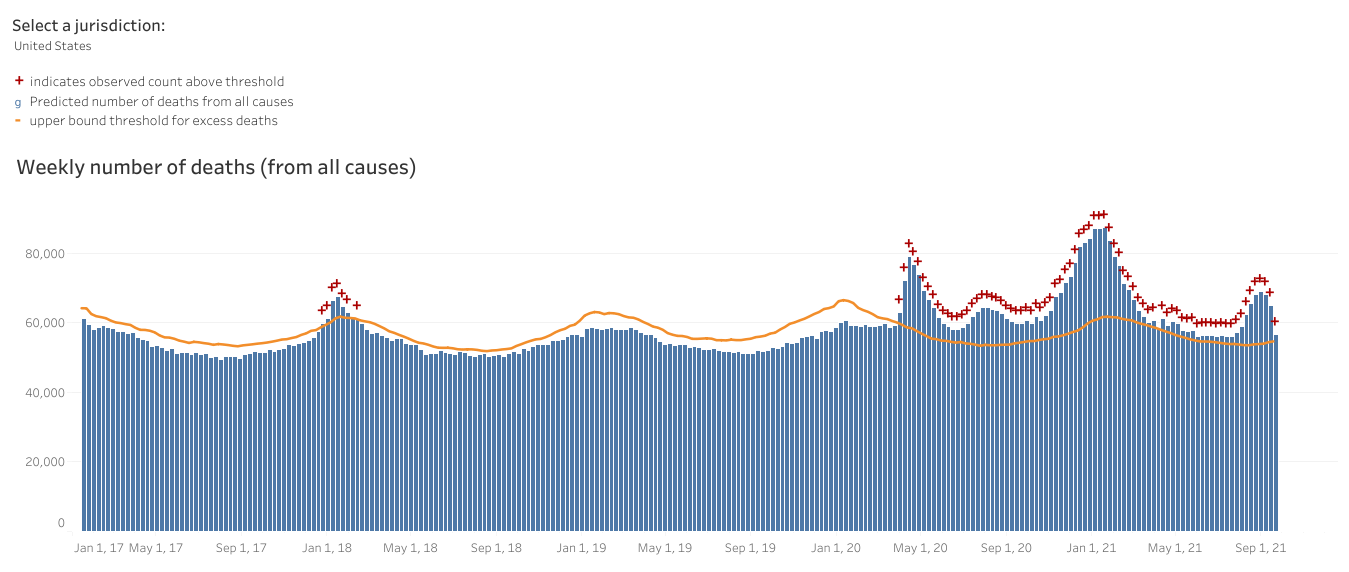
On the Daily Trends in Number of COVID Cases in the US Reported to CDC, the curve shows we are in another peak of the curve and started climbing in early to mid-July with additional increases around early to mid-August when school started. We have known that children are a fine way to amplify respiratory events in a community.
“Often is true that schools experience what our communities experience and communities experience what our schools experience. We are all experiencing climbs in COVID that are really striking and result in preventable deaths,” Dr. Brett-Major outlined.
He showed the Weekly Number of Deaths (from all causes) and explained this is where CDC tracks the death rate and has for decades. It is one of the ways to understand influenza patterns. Influenza kills hundreds of thousands of people each year.
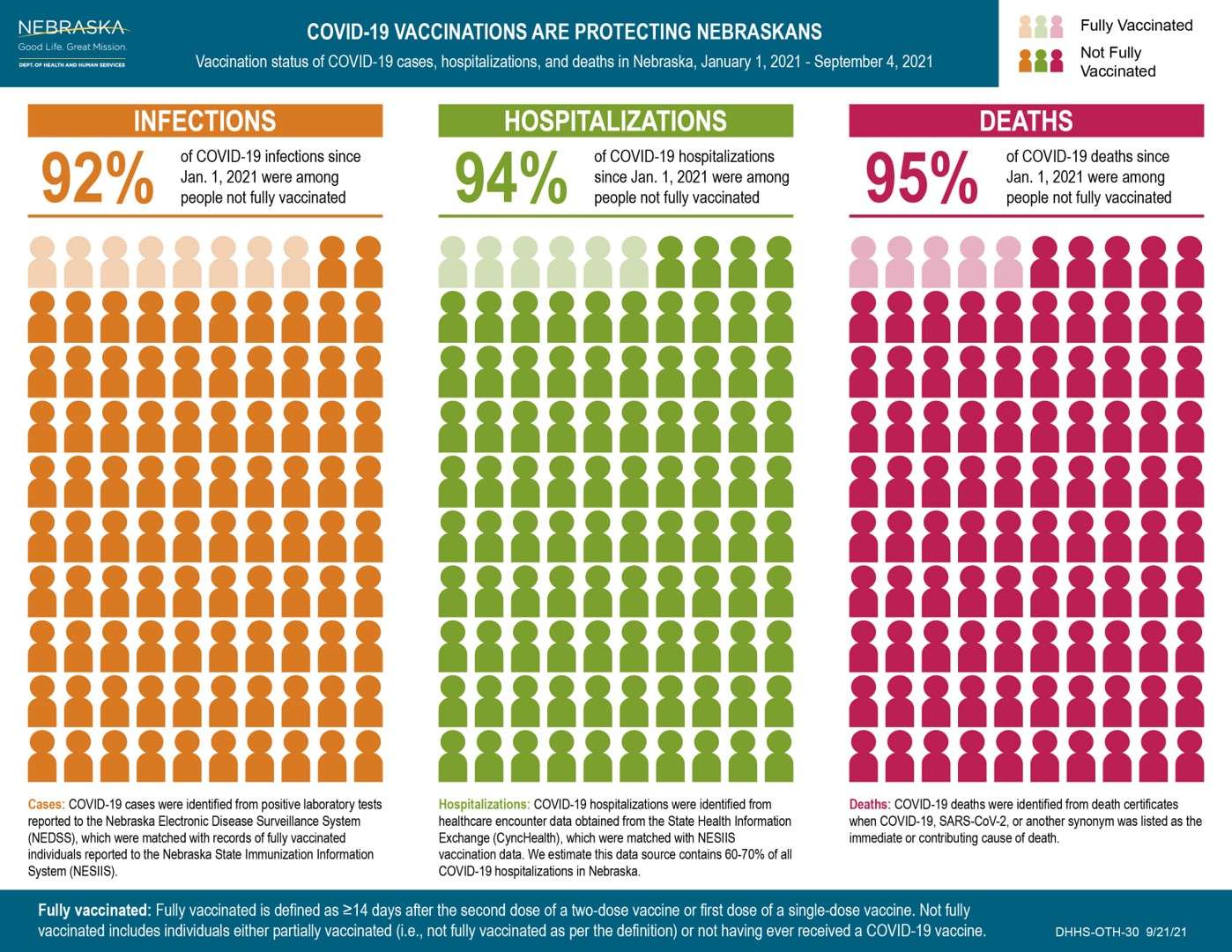
One of the ways they can tell if influenza is more striking than another year, because testing for influenza has its challenges, is to look at excess deaths. The top of the blue curve is the number of people that have died. The yellow line is the upper bound threshold for excess deaths. Any that have a red plus on the top indicate observed count above threshold. At the start of the pandemic in the US, the US started experiencing excess deaths.
“Now, in this part of the year, of the availability of vaccines, availability of usual respiratory emergency measures when rates are high such as physical and social distancing, mask use, personal and environmental hygiene, mindfulness of aggregate and congregate settings, appropriate and proactive surveillance, and when indicated isolation and quarantine along with progressive uptake of vaccines, these excess deaths are preventable deaths,” he explained.
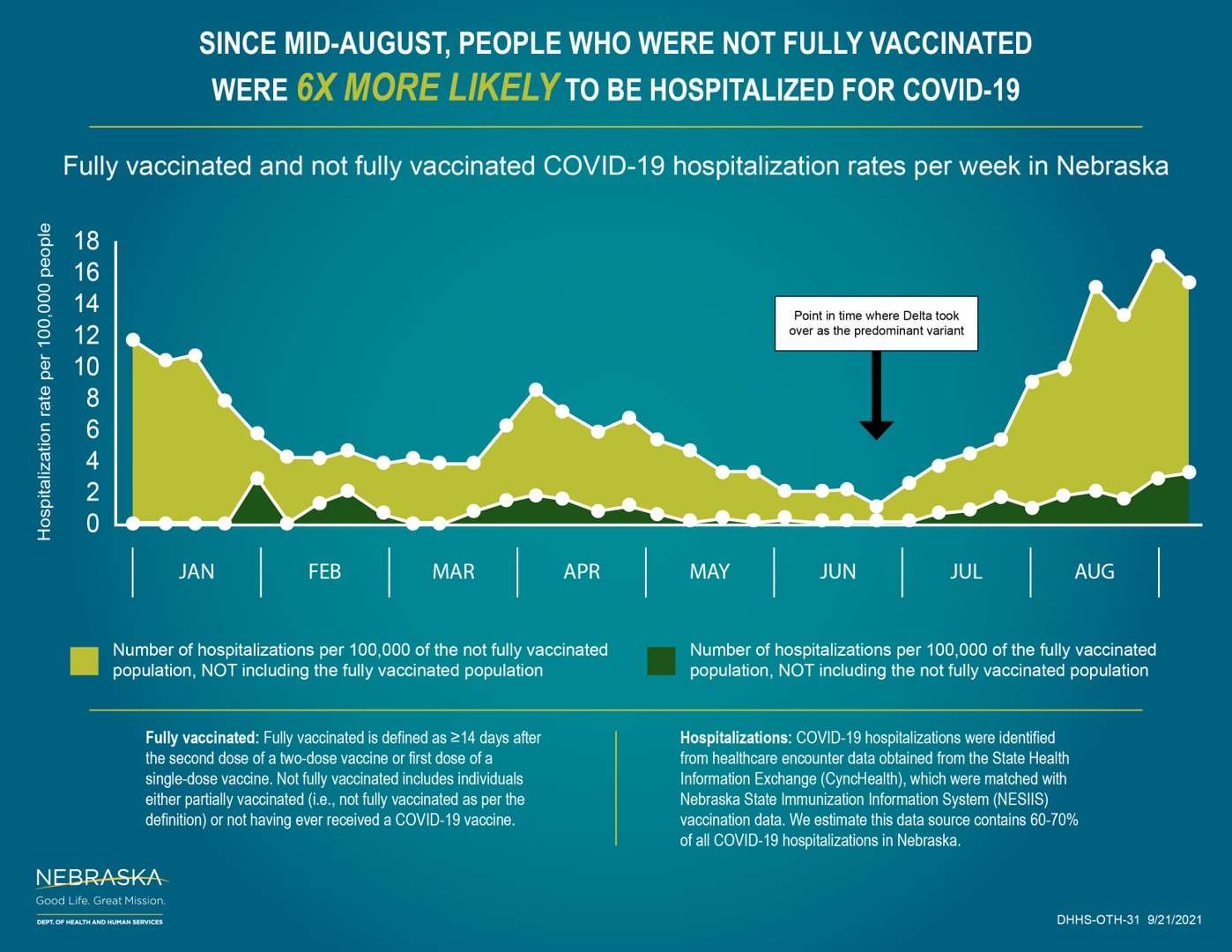
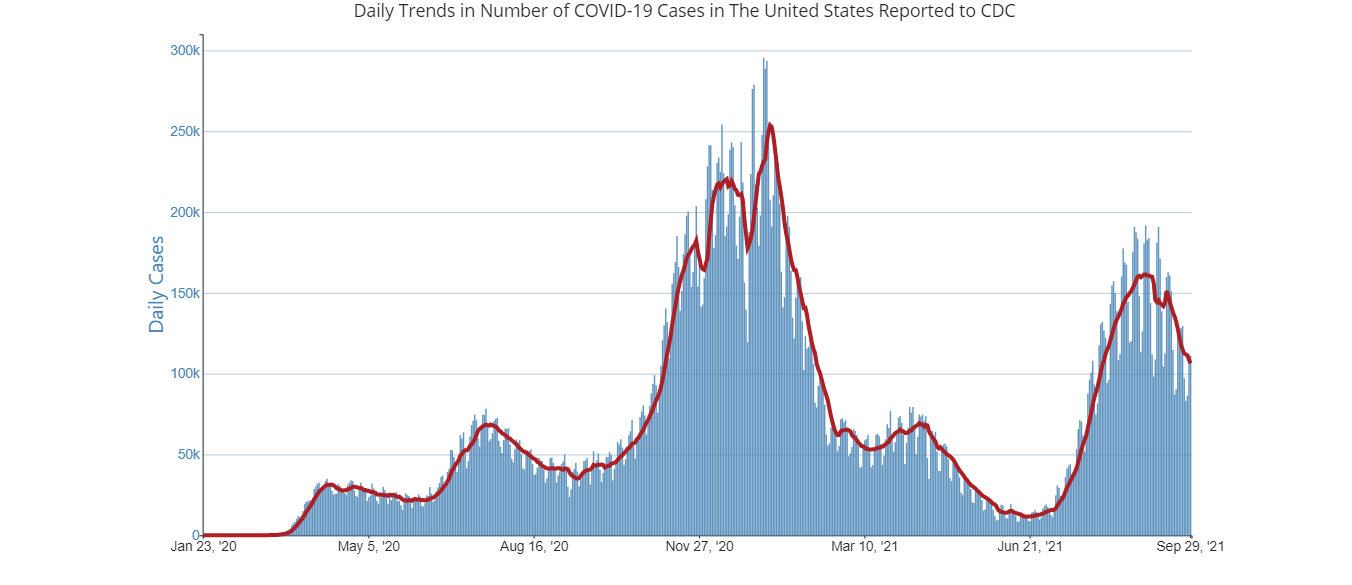
This is being shown in Nebraska through graphics revealing the burden of hospitalization and death comparatively with or without having a COVID vaccine. He concluded by sharing how compelling the data is to being mindful and urging people to not be lazy in the conversation about getting a vaccine, reviewing the required vaccine documentation for their own information, and personal risk assessment.
Dr. Brett-Major has previous professional experience at Uniformed Services University as the Sanford Chair in Tropical Medicine, was the Network Associate Director for Clinical Research, Military HIV Research Program at Henry M. Jackson Foundation, in the U. S. Navy for 24 years, and a Medical Officer of Health Security and Environment at the World Health Organization. His full biography, education, research interests, publications, and professional affiliations is accessible here: https://www.unmc.edu/publichealth/departments/epidemiology/
facultyandstaff/brett-major.html.