


By Nebraska Department of Water, Energy and Environment, Platte Basin Coalition, Lower Platte River Drought Consortium and Republican River Natural Resources Districts
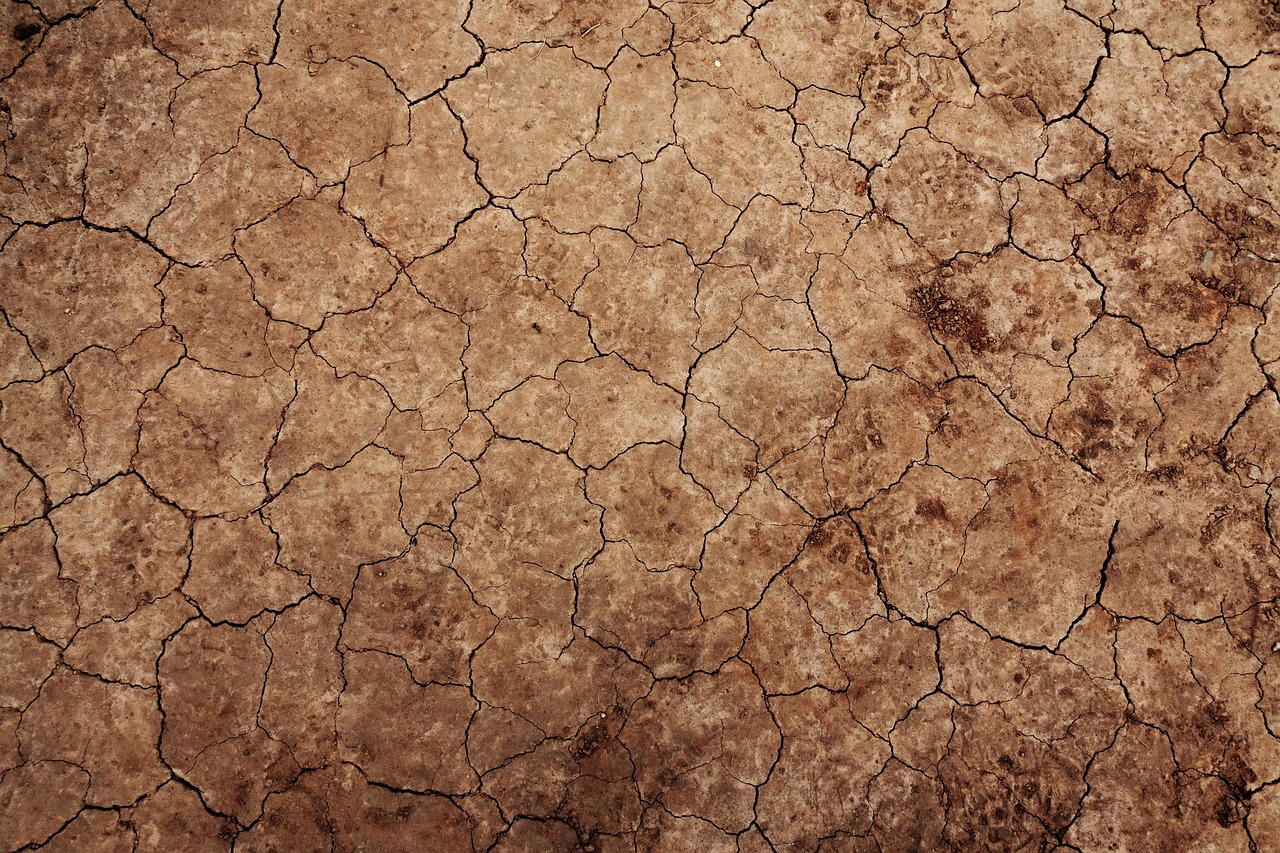
LINCOLN, Neb. — The Platte Basin Coalition, the Lower Platte River Drought Consortium, the Republican River Basin NRDs, and the Nebraska Department of Water, Energy, and Environment (DWEE) are urging the public to utilize water conservation best practices due to the ongoing presence of drought conditions throughout Nebraska. As of April 30, the National Drought Mitigation Center finds that two percent of the state is experiencing exceptional drought (D4), 55 percent of the state is experiencing extreme drought (D3), 21 percent of the State is experiencing severe drought (D2), and nine percent of the state is experiencing moderate drought (D1).
While recent rains have been helpful, they have not been sufficient to substantially alter the drought conditions for many areas of the state. Nebraska’s population relies on surface water and many groundwater wells replenished by surface water for agricultural, municipal, domestic, industrial, and many other uses.
Nebraska's precipitation is highly seasonal, with roughly two-thirds of annual moisture falling between April and August and less than 10 percent occurring in winter for the typical year. The late spring and early summer period is normally critical for replenishing soil moisture, streamflow, and groundwater supplies. Ongoing drought conditions mean that even near-normal seasonal rainfall may not be sufficient to fully offset existing deficits and water supplies, and hydrologic conditions may remain stressed as a result.
According to NOAA’s Climate Prediction Center’s Seasonal Drought Outlook, on average, drought conditions are expected to persist or likely worsen across the state this spring and summer despite occasional short-lived relief.
To improve drought monitoring across the state, the public is encouraged to submit drought-related conditions using the Condition Monitoring Observer Reports (CMOR) system maintained by the National Drought Mitigation Center at the University of Nebraska: https://droughtimpacts.unl.edu/Tools/ConditionMonitoringObservations.aspx. Consistent public reports help inform authors of the US Drought Monitor in the development of the weekly Drought Monitor map.
For current information on drought conditions, the public is encouraged to monitor the following resources:
- The US Drought Monitor for weekly updates on drought conditions: https://droughtmonitor.unl.edu/
- U.S. Department of Agriculture resources including drought program assistance through Farm Service Agency and Natural Resources Conservation Service at: https://www.farmers.gov/protection-recovery/drought.
- For additional USDA program information, contact your nearest USDA Service Center. Find a service center at: https://www.farmers.gov/working-with-us/service-center-locator
- The Nebraska Department of Agriculture Drought Central Page: https://nda.nebraska.gov/drought
The Drought Planning groups will continue to monitor conditions and update the public on the basin’s drought status and ongoing effects of drought. You are encouraged to contact your local water agency listed below for conservation best management practices.
Questions should be addressed to your local water management agency. To locate the appropriate resource, please follow this link: https://www.nrdnet.org/nrds/find-your-nrd