


By JOHN E. WEARE
KAB
Keep Alliance Beautiful touts recycling as a way to keep material out of the landfill. For the most part that benefit refers to saving space, yet our patrons can also promote safety by bringing used lithium batteries to the recycling center at 107 ½ Cheyenne Ave.
By end-of-life most rechargeable lithium-ion batteries and single use lithium primary batteries are considered hazardous waste by the U.S. Environmental Protection Agency with explosions, fires and reignition risks possible due to factors such as improper charging, overheating and structural damage. Being crushed is likely when somebody simply throws a lithium battery in the trash.
City of Alliance Landfill Supervisor Clint Fankhauser continues to deal with compromised lithium batteries. Refuse is compacted by trucks as they pick up around town then baled. Either process is enough to damage a lithium battery. After a fire at the landfill caused by a battery on July 4, 2025, Clint said he has had 10 incidents this year. “Boils down to four actual fires,” he said. “Lately my guys are spotting them in the bales – smoldering and kicking smoke out the side.”
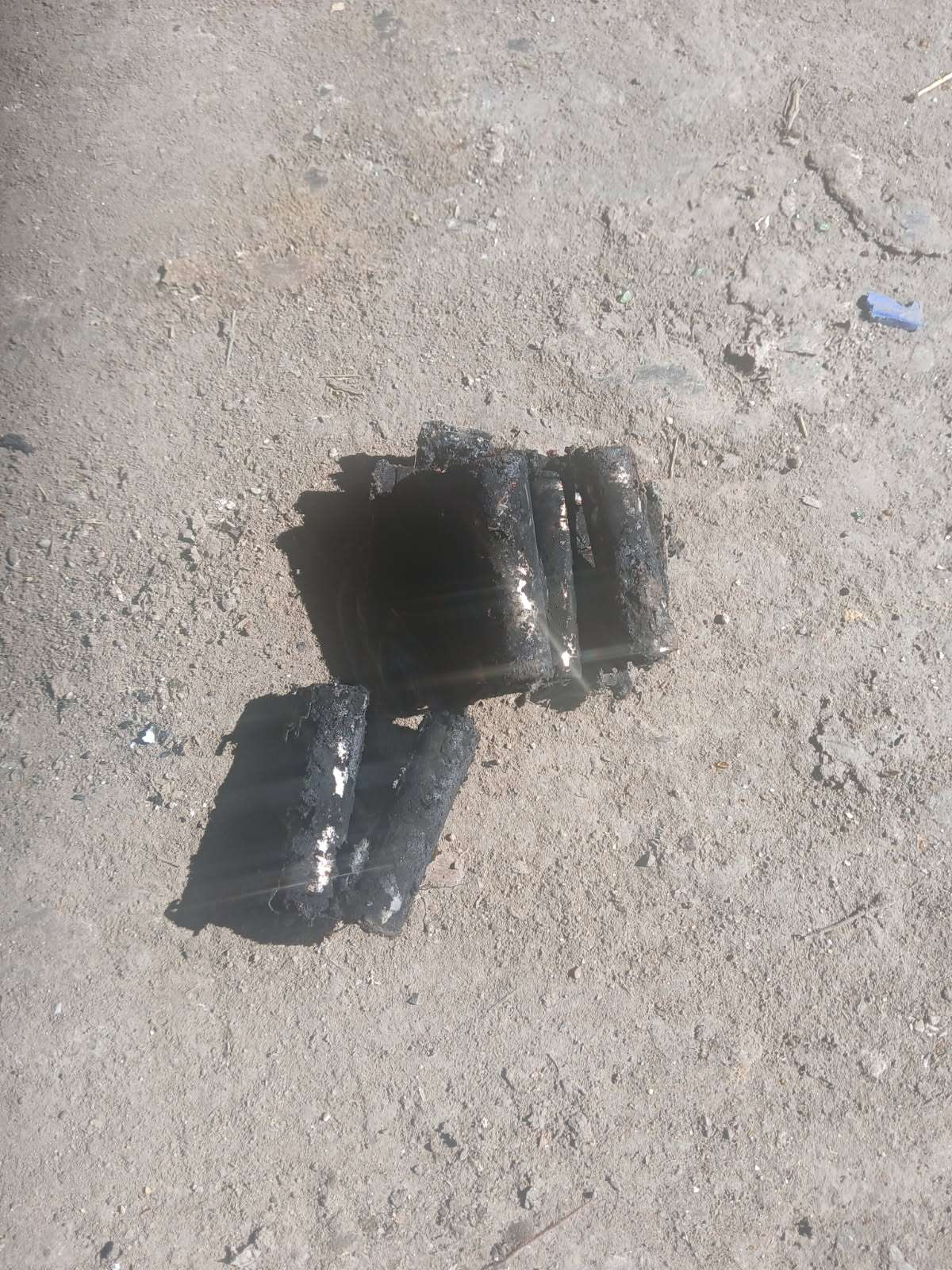
Once they spot smoke the bale is moved to a flat concrete surface. Workers cut the wires and spread it out and get to the hot spot. “Then it’s pretty easy,” Clint said, usually a pack of smoldering batteries they douse with water from a hose, taking about a half hour. Most of the time there hasn’t been much actual damage though the landfill has to shut down operations while working on the fire.
Clint has experienced a slow uptick in the incidents, seeing one or two more every year.
In November 2025 I wrote about battery hazards where the powersource is embedded, such as vapes. A steel trash can from KAB outside Nebulous Vape on West Third Street in Alliance was unsuccessful in collecting vapes with other recyclables and trash more prevalent. However, the owners of the vape shop have been incredible in partnering to collect and recycle used vapes from their customers. We see far more vapes from the shop than small lithium-ion batteries recycled by the public. These compact, powerful rechargeable batteries began to replace other options in the 1990s and are now in dozens of devices in some homes. We would like to have more batteries at the KAB Recycling Center and fewer in the landfill.
Embedded or not, Clint said, it doesn’t matter once you crush it. Other prohibited and hazardous materials people throw in their Dumpster are unusually easier to see and remove, like tires. “Normal household batteries are ok,” he said. “If it has a lot more power than a household battery it’s worth looking at how to dispose of properly.”
Outside of incidents at the landfill, Alliance Fire Chief Brad Schrum said there has been only one major incident in the community. “That’s good, because they can be nasty,” he said. About two years ago the AVFD responded to a pickup fire caused by a lithium-ion battery charging on a cloth seat. The fire also ignited propane cylinders blowing off the door. The vehicle was a total loss.
Fires from these batteries now have their own classification: L. Others are A,B,C,D and K for kitchen. Lithium battery fires are “much more intense . . . takes a lot more water to put them out.
They (the batteries) are so hot you have to cool them off,” Brad said, noting the department has to be ready for a fire caused by everything from a flashlight battery up to a Tesla.
During Fire Safety Week, Oct. 4-10, Brad focused on something in between – e-bikes and e-scooters. To me, he relayed an overview of fire calls his son has experienced first-hand as a New York City firefighter. These electric vehicles are banned from elevators though people charge them inside and often run into trouble when substituting cheaper battery packs made in local shops for the originals. Lithium battery fires can be deadly. The e-vehicles, parked by the apartment’s only entrance, have overheated and cut off escape in a fire.
Talking to local middle school and high school students last month, the fire chief suggested using the charger that came with the e-bike or scooter, charging it outside and when the time comes using a replacement battery from the manufacturer. “Follow traffic rules,” he said. “Safety of riders is paramount.”
Noting that the department had just brought a boxful to our office that afternoon, Brad said, “The big takeaway is if they have lithium batteries that are spent, get them to you (KAB).