


By The Portable Generator's Manufacturers' Association
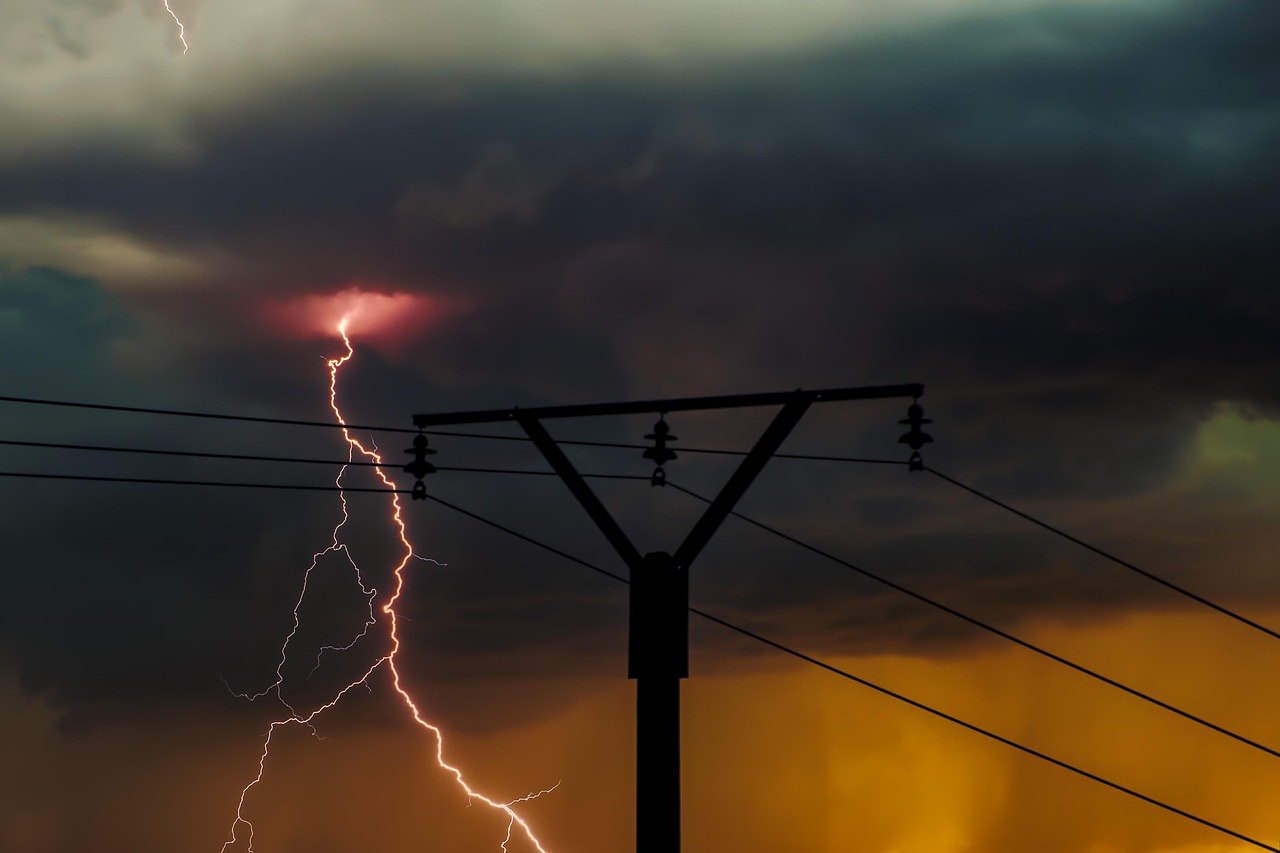
Portable Generators Manufacturers’ Association warns to never plug a generator into an outlet
September 16, 2025—Millions of people rely on portable generators as sources of secondary power when natural disasters cut off the electrical supply from the power grid. The Portable Generators Manufacturers’ Association (PGMA) is dedicated to the safe, proper use of portable generators and warns against a practice known as backfeeding. It is the dangerous activity of plugging a generator into a home’s wall outlet.
Some people are under the mistaken impression that backfeeding will enable them to power their entire home with a generator or power certain appliances without running extension cords from the appliance to the generator. In actuality, backfeeding is extremely dangerous and presents an electrocution risk to utility workers and neighbors served by the same utility transformer. It also bypasses some of the built-in household circuit protection devices.
Backfeeding can cause short circuits and overloads that lead to electrical fires, prompt fluctuating or excessive voltage that can damage appliances and electronics, and damage a home’s wiring and circuit breaker panel.
Homeowners can have their circuit breakers professionally modified with installation of a transfer switch or interlock device to enable safely switching a home’s power source between the utility grid and a backup generator during a power outage. A transfer switch serves as a connection point that prevents a generator from feeding electricity back into the power lines. Interlock devices, when installed by a qualified electrician, enable homeowners to safely connect their portable generators to their home’s electrical panel while ensuring the main breaker is disengaged. These are the only safe ways to use a portable generator to power an entire residence.
Most emergencies can be handled by simply using proper-length, appropriately rated extension cords running from critical appliances, such as refrigerators and communication devices, to the portable generator. Homeowners are cautioned to use only 30-amp and 50-amp power cords for these purposes, as it can help prevent overheating and electrical hazards when directly powering appliances.
For more information on safe portable generator use, visit https://www.pgmaonline.com/.
About PGMA
The Portable Generator Manufacturers’ Association (PGMA) is a trade association that seeks to develop and influence safety and performance standards for our industry’s products. The Association is also dedicated to educating consumers and tradespersons on the safe use of portable generators and has developed the Take it Outside® campaign to support its mission. Formed in 2009, PGMA members include major manufacturers of portable generators sold in North America and a significant majority of the industry. www.pgmaonline.com.