


By Aaron Berger, Nebraska Extension Livestock Educator
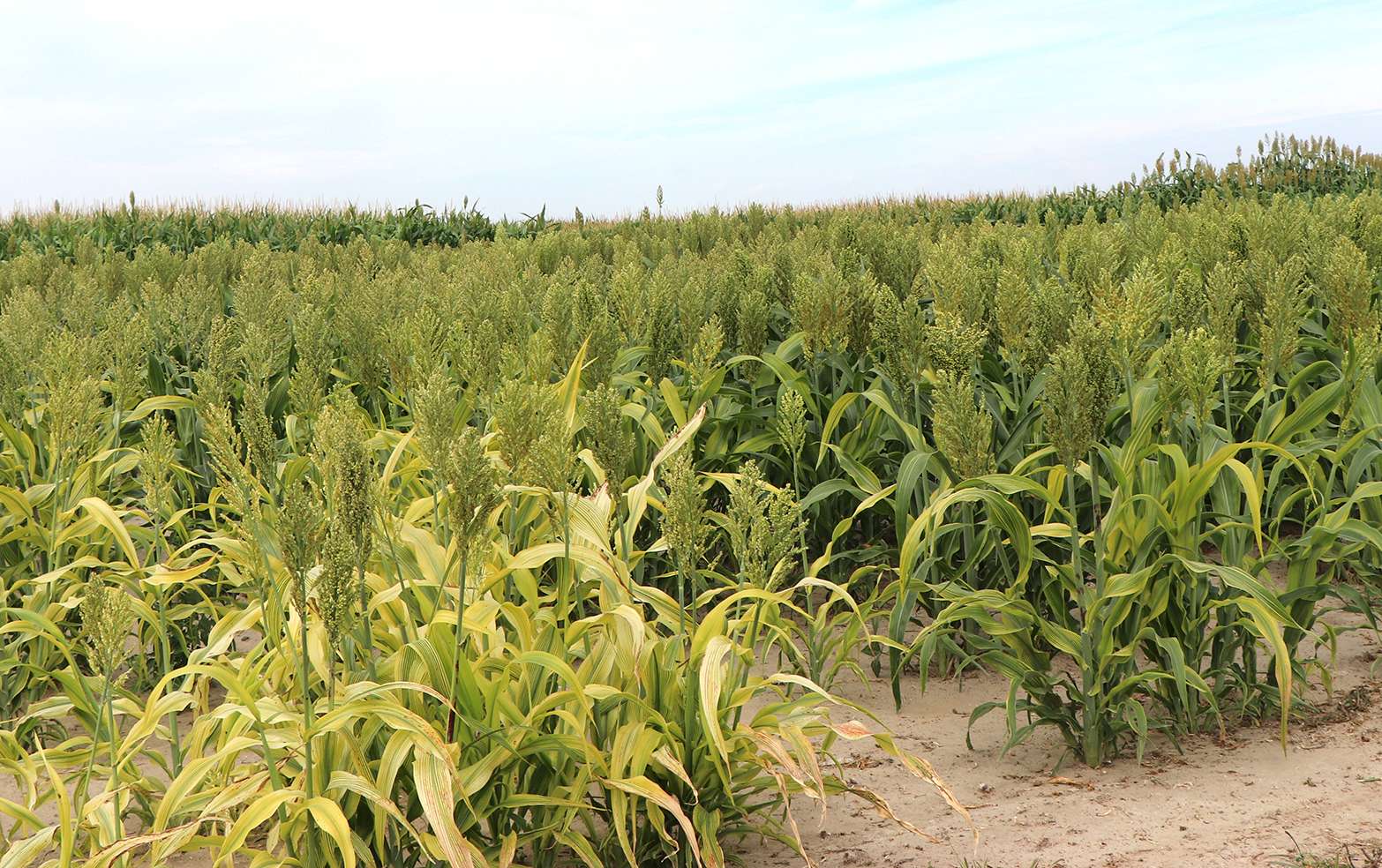
With limited water availability this summer for irrigators dependent on canal water, summer annual forages may provide an opportunity to grow cover crops on prevent-plant acres that will likely have significant value as a forage resource due to drought conditions.
Summer annual grasses can produce about one ton of forage for every 2.5 to 3.5 inches of water available to the crop. Summer annuals such as pearl millet, sudangrass, sorghum, sorghum-sudangrass, Japanese millet, foxtail millet, proso millet, teff and grain sorghum or milo are all options. Looking to include other species in the mix? Consider other broadleaf plants, such as brassicas, legumes and sunflowers.
When evaluating the annual forage to plant, begin with the end in mind. Is this to be grazed, hayed, or harvested for silage? Is a diversity of species desired? Soil health benefits? What is the intended use of the site for a crop in 2027? How might annual forages planted this year impact future crop production? Will the irrigation water be delivered through a pivot or by furrow?
For locations where stock water is available, grazing may be a good option to retain nutrients on the land by directly grazing the standing crop or by windrowing the crop at an optimal quality stage and then grazing the windrows through the fall and winter. On acres that are furrow irrigated, grain sorghum could be grown for either whole plant silage or direct grazing.
Short-season milo varieties have been successfully grown in the Nebraska Panhandle. Strip grazing standing milo in the field with daily moves using a temporary electric fence can generate 3.5 to 4 grazing days per acre with mature cows for every bushel of milo produced. Fifty-bushel milo could provide 175 to 200 grazing days per acre of high-quality grazing with mature cows. This feed could be grazed starting one week after a hard killing freeze through the fall and winter.
Nebraska Extension hosted a webinar on direct-grazing standing milo this winter, available at https://go.unl.edu/graze_milo. Additional information on growing forages with limited irrigation can be found in the Nebraska Extension NebGuides Summer Annual Forages for Beef Cattle in Western Nebraska and Forage Production with Limited Irrigation.
Before implementing any of the options discussed, work directly with your crop insurance agent and be sure to have, in writing, approval of cover crop plantings and harvest or grazing plans.
Drought conditions are likely to result in a shortage of forage in the Panhandle. Utilizing limited water allocations for forage production on prevent plant acres could help provide much needed feed for this fall and winter.