


By Nebraska Department of Agriculture
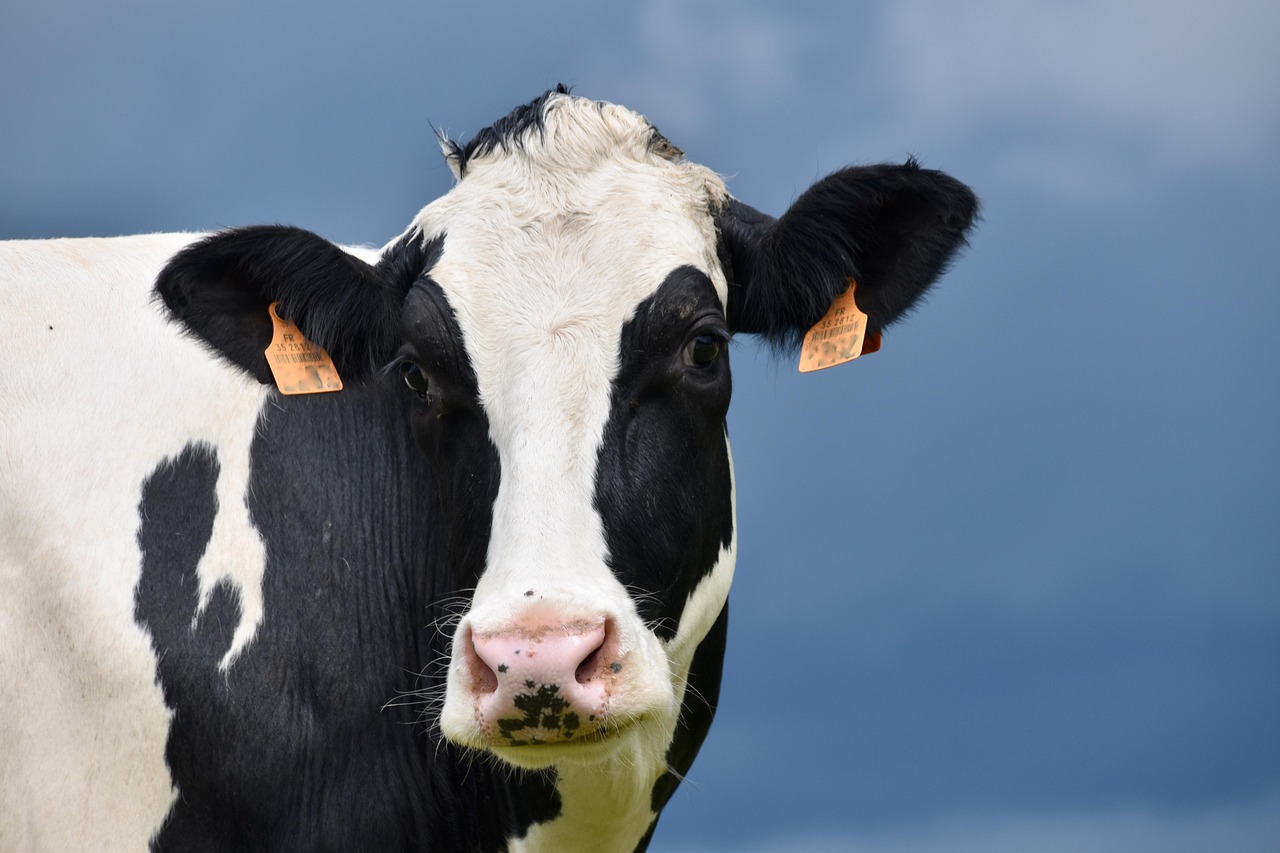
LINCOLN, Neb. — Producers are urged to be vigilant after Theileria- a tick-borne parasite that affects cattle - was detected in several Nebraska counties. The Asian Longhorned Tick (ALHT) is the primary carrier responsible for spreading the parasite.
Although ALHT has not been found in Nebraska, cattle imported into the state have tested positive for Theileria. The tick has already become established in 26 other states.
The disease is most commonly spread through the bite of an infected tick and less commonly through equipment or other vectors (i.e. needles, lice and biting flies).
Theileria can cause anemia, jaundice, loss of appetite, exercise intolerance, weakness and some cases death in infected cattle.
“The best method of prevention is tick control and good management practices for your herd including external parasite control” said State Veterinarian Dr. Roger Dudley. “If Theileria is suspected it should be reported to a veterinarian immediately.”
There are no current vaccines or approved treatments for Theileria available. Producers should consult with their veterinarian to determine an external parasite control method that works best for their herd during the summer months when ticks are most prevalent and regularly inspect cattle for ticks including their ears, under the tail, axillary regions, flanks, udder skin folds.
Theileria is a reportable disease and affected herds may be eligible for indemnity for losses associated with Theileria. For reporting, please call 402-471-2351. Additional information can be found here: Bovine Theileriosis | Nebraska Department of Agriculture