


By John Weare, Keep Alliance Beautiful
ALLIANCE, Neb. - Good deeds are known to fly under the radar. The doer of the deed may not brag about what has transpired yet will tell you about it if asked. Eagle Scout projects are like that. Since my son transitioned from Cub Scouts to Boy Scouts within Scouting America I have become privy to several of these efforts to improve our community.
The Scouting America website states, “Service to other people is what Scouting is all about. In many ways, your service project reflects who you are as a youth leader. Your result should be of significant impact in your community to be special, and should represent your very best effort.” Involved in both scouting and 4-H, I chose to repaint and landscape the “Welcome to Hemingford” sign that also advertised the village as the home of the county fair, for my Eagle project. Now, I like to speculate on the long-term impact of Scouts’ efforts when I hear about them. In my case, strong winds damaged the sign, which was replaced with the one driver’s see now.
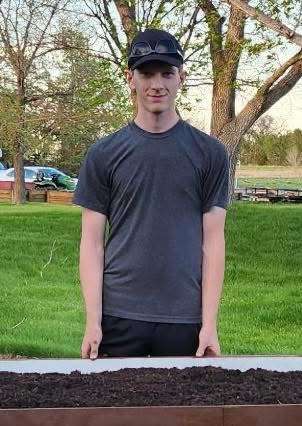
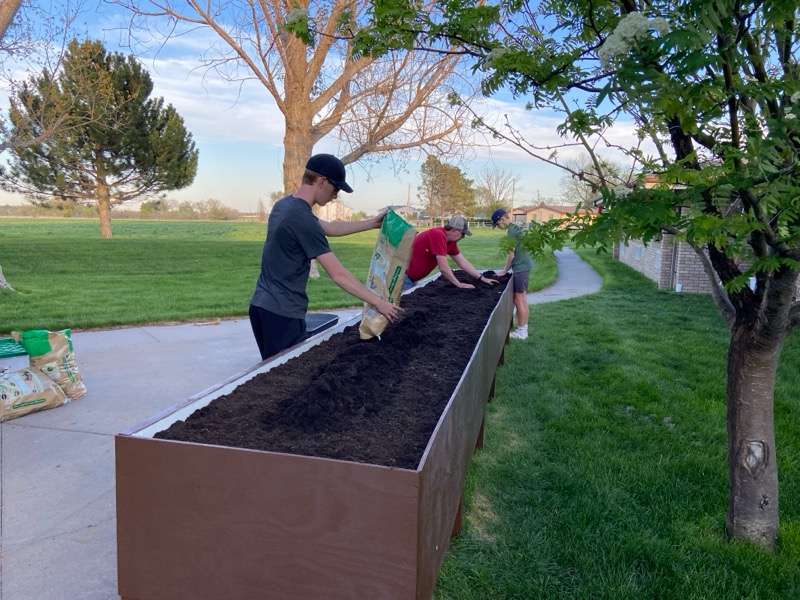
I have been able to talk to two of the boys finishing their Eagle Scout rank so far in Alliance’s Troop 216 and hope to interview the rest soon. The series starts with Garrett Meyers. Garrett built raised planter beds that are wheelchair accessible for residents at Highland Park Care Center. He explained that the gardeners can roll right underneath as they water, weed and enjoy the flowers and plants. Garrett started in the fall of 2024 and finished this past spring in time for planting.
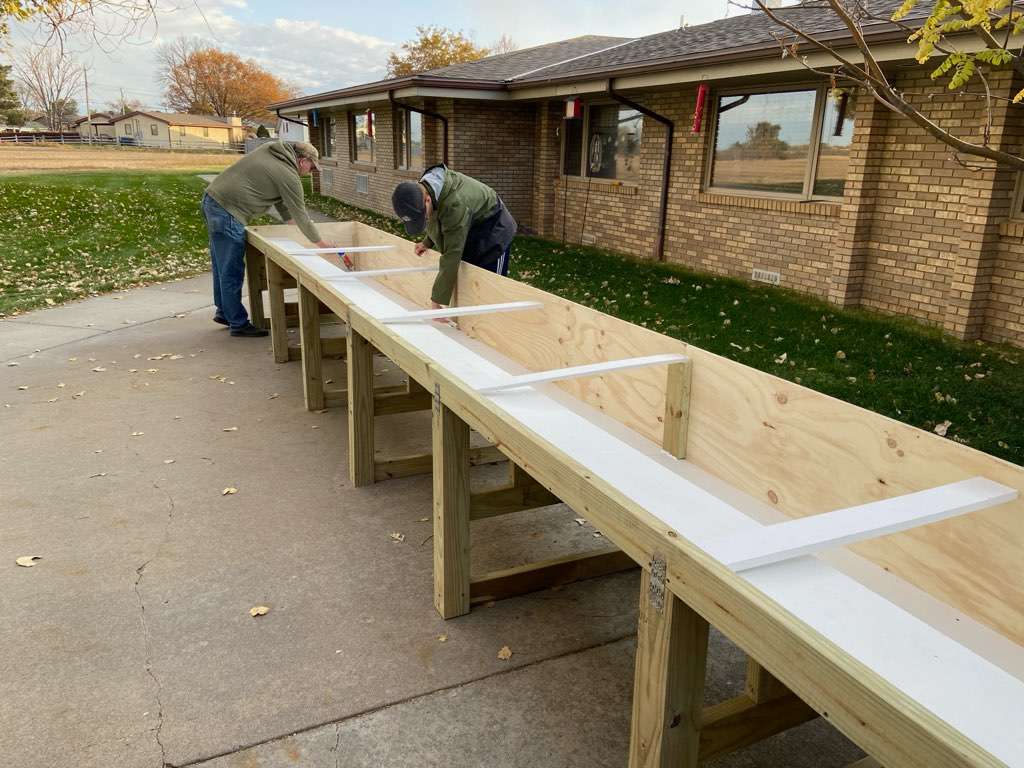
As to the connection for the project, “My mom works there as the medical director,” he said. “They brought up the need – they wanted to plant flowers. I wanted something to go with engineering, that’s what I’m into, to last many years.”
Garrett visited Highland Park one day and went over the specifications for their back patio. He said he made the design and had his dad look at it. The cost was about $1,000 with most of the expense covered by donation. The planter is constructed of PVC “plywood” that won’t ever rot, he emphasized. At 22 feet wide with six slots for wheel chairs the sloped design accommodates a range of plants starting at four inches deep and running to 16 inches at the far end for deeper roots. He also built a single-slot planter for the memory support unit. “My grandma has talked to them and they like it,” Garrett said.
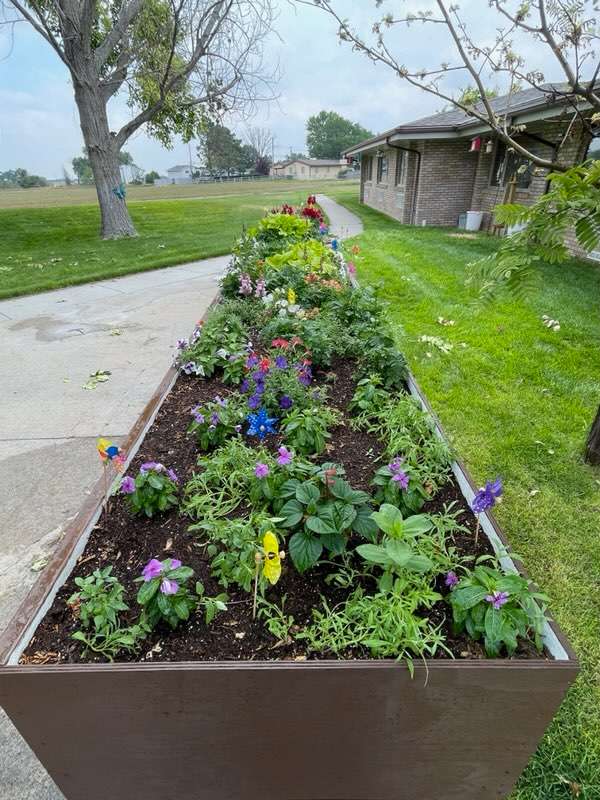
Designing and building the planter was his favorite part of the process “because that’s my passion,” Garrett said. “They got good use out of it this summer and hopefully many more summers to come.”