


By Panhandle Public Health District
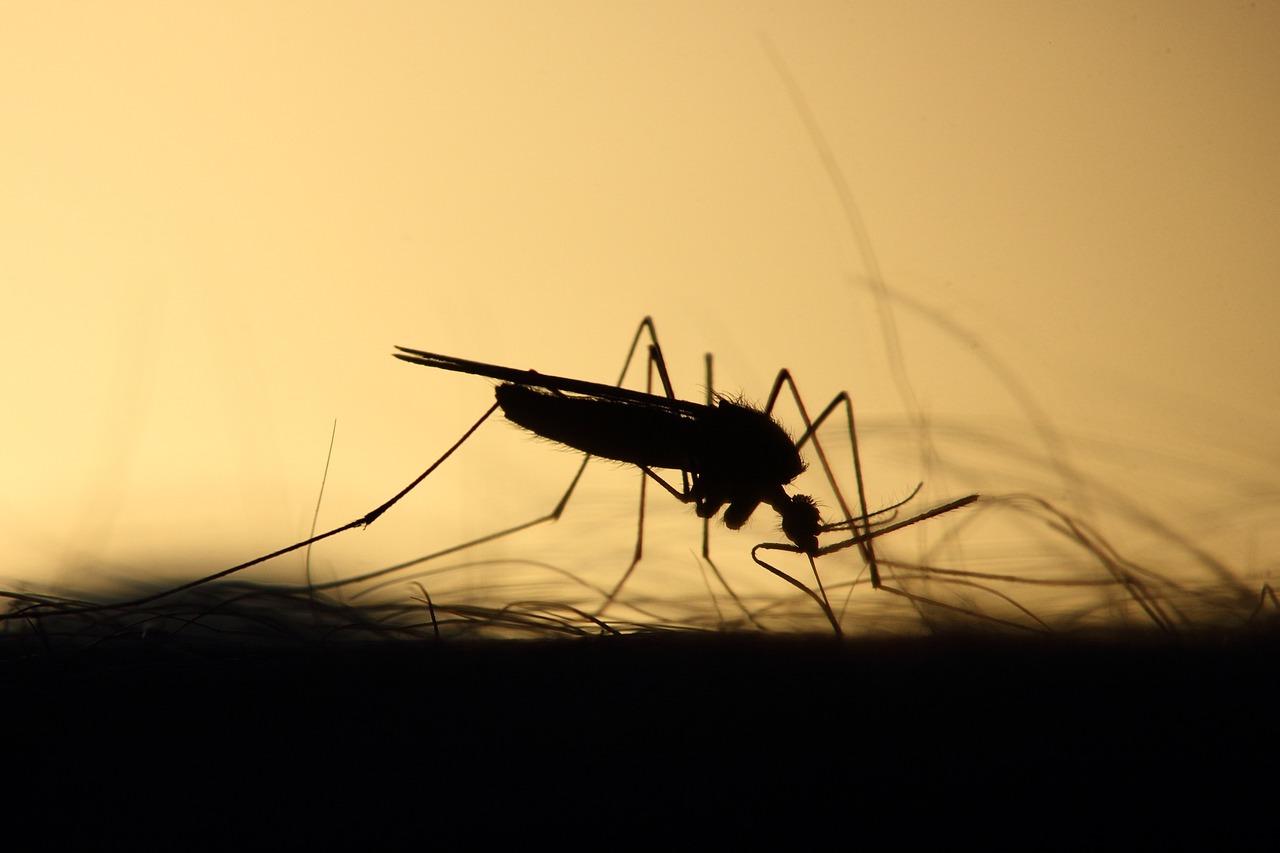
The first human cases of West Nile virus this season have been confirmed, with three cases identified in the Panhandle. This summer, 40 mosquito samples from the Panhandle have tested positive for West Nile Virus, indicating an increased risk of transmission to humans. Additionally, a sample from Scotts Bluff County recently tested positive for St. Louis Encephalitis virus. Health officials urge residents to take proper precautions to protect themselves and reduce the risk of infection.
“Prevention is the most effective defense against most mosquito transmitted diseases,” said Melissa Haas, Environmental Health Coordinator at PPHD. “By taking simple steps to avoid mosquito bites, people can significantly reduce their risk of infection.”
West Nile virus is transmitted to humans through the bite of an infected mosquito. While many people infected with the virus may not experience symptoms, others may develop severe neurological illnesses, including encephalitis – a potentially life-threatening inflammation of the brain.
Similarly, St. Louis Encephalitis is also transmitted to humans through the bite of an infected mosquito. Symptoms are essentially the same as West Nile virus, with many again not knowing they have been infected. Severe cases of St. Louis Encephalitis can experience encephalitis and meningitis, which is a swelling of the spinal cord.
Tips to Prevent Mosquito Bites
- Use EPA-registered insect repellents containing DEET, picaridin, IR3535, oil of lemon eucalyptus, or para-menthol-diol. Always follow the label instructions.
- Wear long-sleeved shirts and long pants when outdoors, especially at dawn and dusk when mosquitoes are most active.
- Install or repair window and door screens to keep mosquitoes out of homes.
- Eliminate standing water around your home where mosquitoes breed – including in flower pots, bird baths, pet dishes, old tires, and clogged gutters.
- Use air conditioning or keep windows closed if screens are not available.
- If you have found a dead bird on your property, you can report it online through Nebraska Department of Health and Human Services: https://epi- dhhs.ne.gov/redcap/surveys/?s=E78D8A3JK4343E4X.
Recognizing Symptoms of West Nile Virus and St. Louis Encephalitis
Most people infected with West Nile virus or St. Louis Encephalitis show no symptoms. About 1 in 5 may develop fever, headaches, body aches, joint paint, vomiting, or rash. However, about 1 in 50 infected individuals develop serious illness such as encephalitis or meningitis, which can lead to coma, tremors, convulsions, and even death.
People over the age of 60 and those with certain medical conditions (such as cancer, diabetes, or kidney disease) are at higher risk for severe disease.
When to Seek Medical Attention
If you or someone you know experiences severe headaches, confusion, neck stiffness, high fever, or muscle weakness – especially following any time outdoors with active mosquitoes in the area – seek medical care immediately.
For further information on West Nile or St. Louis Encephalitis virus, please visit www.pphd.ne.gov or call 308-487-3600 x108 or toll free 866-701-7173.
Panhandle Public Health District is working together to improve the health, safety, and quality of life for all who live, learn, work and play in the Panhandle. Our vision is that we are a healthier and safer Panhandle Community.