


By JOHN E. WEARE
KAB
Summer days, lazy or not, tend to run into each other. Exactly where June went is anyone’s guess. My son, the other early riser in our household, asked what day it was a week or so ago. I glanced at the calendar and replied with the date. Not the answer he was looking for. He wanted to know if today was Thursday and, specifically, the third one of the month. Upon hearing “yes” my son looked disappointed to be late for “bag day.”
The Mission Store, our local charitable, volunteer-run thrift store in downtown Alliance, winnows down their inventory on advertised days when you can fill a brown paper bag for $2. That’s quite the deal.They also see plenty of plastic bags, filling an 55-gallon orange bag for the Hefty Energy program at least every other week. Bags are essential for shopping though consumers have the final say on what carries their contents home: (usually) cloth/reusable, paper or plastic.
In my experience the last one on the list is most littered hands down. Keep America Beautiful states: while bag regulations and fees lead to significant local reductions in shoreline litter, the overall volume of plastic bag waste continues to grow nationally. Their recently released 2026 National Litter Study lists dozens of littered items, including plastic trash bags and other plastic bags. Combined, when only looking at roadways, the survey counted 139,655,600 bags at its hundreds of survey locations nationwide.
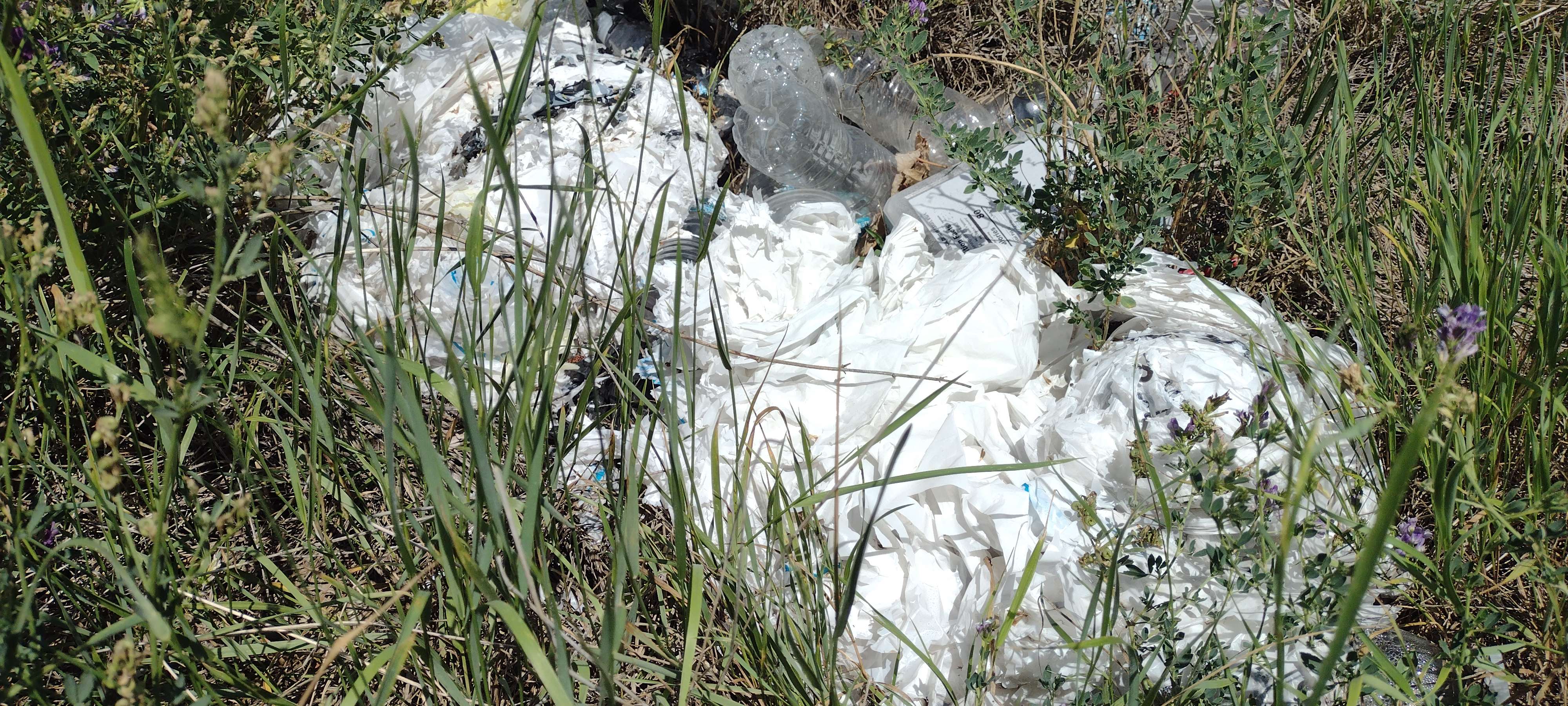
The survey does not specify “shopping bags”, however these bags often become trash bags and they are definitely “other” bags. The number of bags found in waterways far outnumbers roadways with coastal areas having the fewest bags logged.
Our western Nebraska wind carries littered bags into trees, fencelines and vacant lots that say no trespassing, even to gather trash I’m guessing. Once there the bags break down – this is no true disappearing act as microplastics find a home in the soil.
Plastic bags, like most any single-use plastic products, are convenient but far from necessary. Though there are methods of turning bags into plastic lumber, for instance, we could avoid all the inherent litter if the public embraced other options. Even a plastic reusable bag is lightyears better with the potential to save the use of hundreds of the thin sacks cashiers have that single item in before you can utter “no bag please”. Paper bags are better in terms of potential from a sustainable source and the ability to be recycled. Reusable bags are the best option, especially when repurposed from a former product like a sweater.
I would like Alliance to be among the communities that chooses to target plastic bag litter. We are not Berkley, San Francisco, Boulder or even Longmont though I have a feeling Keep Alliance Beautiful could work with the Alliance City Council and local businesses to forge a system based on local rules and incentives. Want a plastic bag? It will cost you X amount per bag. Businesses that no longer offer plastic bags would also sell the required reusable bags at a reasonable rate. Our recycling center could handle seeing several hundred pounds less if it means the overall number of bags littered and filling the landfill also decreases.
It would never work here you say. Nobody cares. Businesses would protest. It could work here with the right collaboration between public, business and government. Though I don’t know the percentage, Alliance shoppers have utilized their own bags for years. Going back to local
thrifting, Goodwill customers have no doubt noticed a lack of plastic bags. I have seen shoppers gladly carry out their new treasures when caught unawares by the Goodwill Industries’ policy to eliminate single-use plastic bags throughout its regional networks. So far people still shop there.
Eliminating all litter would be amazing. Setting a goal to significantly reduce one type of litter is reachable. In the meantime: we can choose to reduce the number of bags handed out by bringing our own, recycling the single-use bags we have or repurposing (can liners?), and taking the time to pick up bag litter in our community.