


By University of Nebraska System
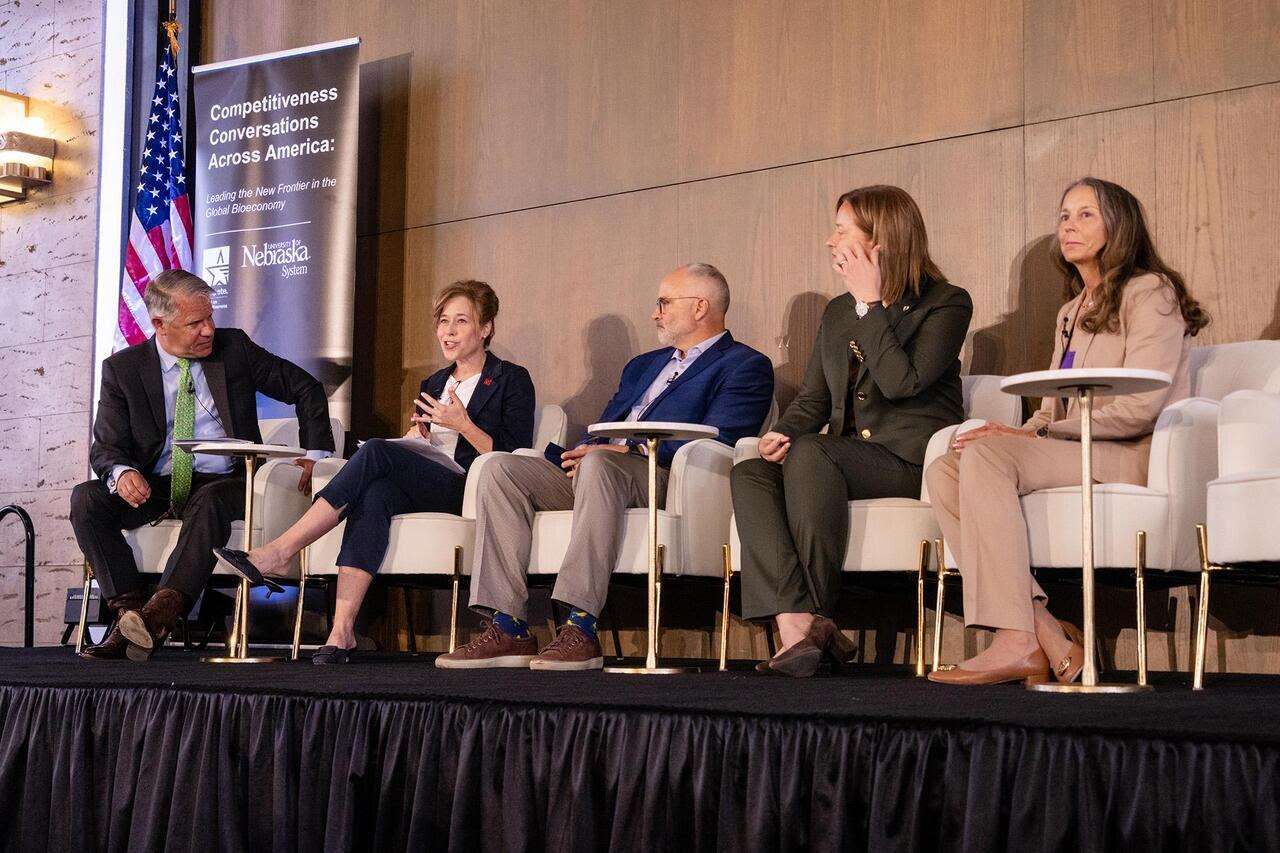
Nebraska’s strengths were on full display April 29–30, as state and national leaders gathered in Omaha to explore the future of the bioeconomy — and what it will take for the United States to remain competitive in a rapidly evolving global landscape.
As one of the nation’s top agricultural producing states, Nebraska sits at the center of one of the most productive agricultural systems in the world, where production agriculture, manufacturing, affordable energy, top research universities and an emerging start up ecosystem are converging to drive the future of the U.S. bioeconomy.
Hosted by the University of Nebraska System in partnership with the Council on Competitiveness, the convening marked the 12th stop in the national Competitiveness Conversations Across America series, and the second held in 2026. The series brings together leaders from industry, academia, labor, the U.S. Department of Energy national laboratories to identify strategies that strengthen U.S. competitiveness and expand the innovation economy beyond traditional hubs.
In Omaha, the conversation focused on the bioeconomy — the production of materials and products out of bio-based feedstock. Opening remarks focused on how the bioeconomy is quickly emerging as one of the most important drivers of global competitiveness, national security and economic growth, fueled by technologies such as artificial intelligence, synthetic biology and advanced manufacturing.
“If you want to see where the future of the bioeconomy is being built, there is no place like Nebraska,” said the Hon. Deborah L. Wince-Smith, president and CEO of the Council on Competitiveness. “This is where innovation, agriculture and industry come together at scale.”
“Nebraska is uniquely positioned to lead because of how we connect research, education and real-world application,” added Jeffrey P. Gold, M.D. president of the University of Nebraska System.
That advantage is rooted in the state’s strong ecosystems connecting research, industry, infrastructure, policy, education and workforce development — from land-grant institutions to community colleges — working in coordination to accelerate innovation-driven economic growth.
Anchored by the University of Nebraska System, Nebraska’s higher education network plays a central role in developing talent, advancing research and translating discovery into real-world impact.
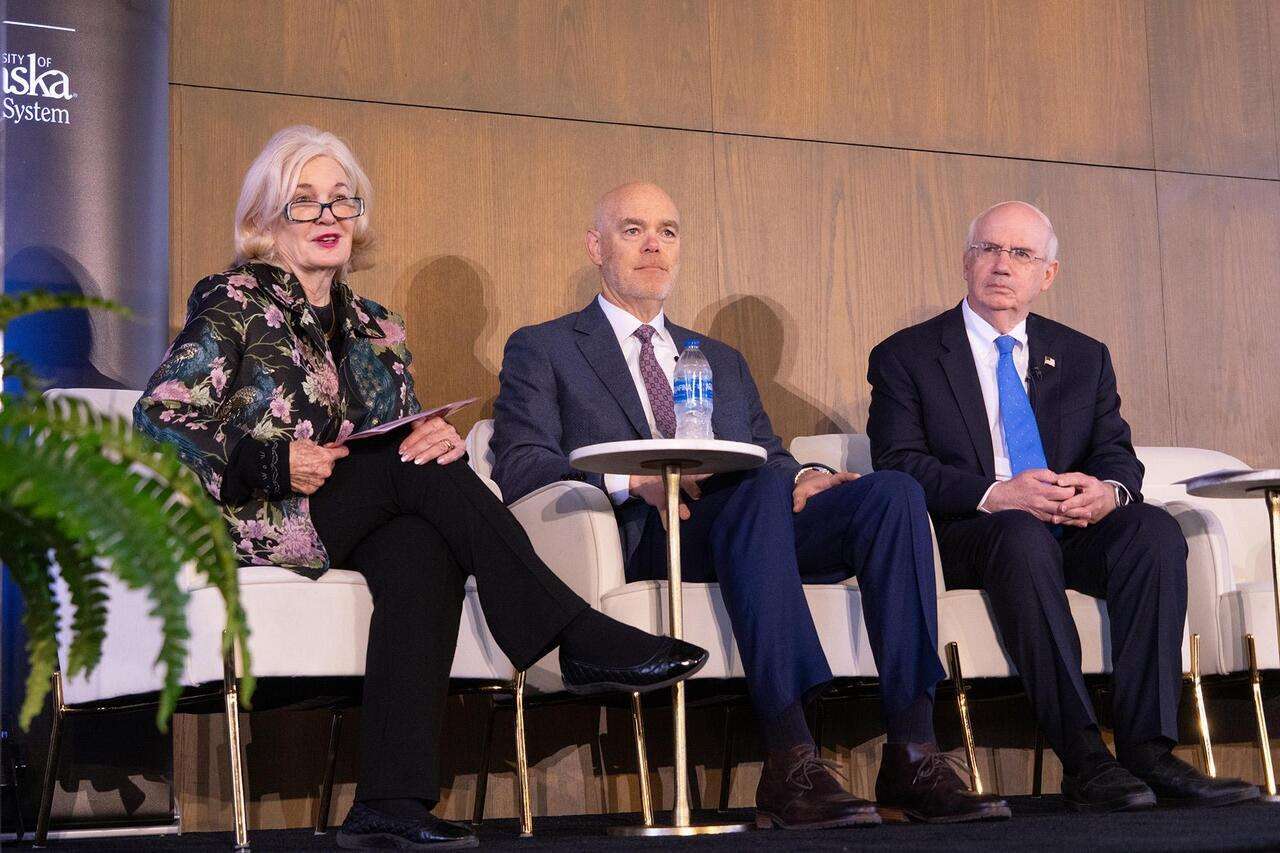
A series of keynote addresses, panel discussions and lightning talks throughout the two-day event highlighted key aspects of the bioeconomy, as well as opportunities and challenges the state and nation must address in order to grow this emerging sector. Speakers included Wince-Smith, Dr. Gold and many others, including current and former government officials, academic leaders and industry leaders from across Nebraska, the Midwest and the United States.
During the event, speakers discussed the broad potential of the bioeconomy, from developing rubber made from plant materials to creating sustainable aviation fuel, in creating new opportunities for farmers, manufacturers, communities and consumers, both in Nebraska and around the nation. Nebraska and other heartland states are well-positioned to lead in the development of the bioeconomy, speakers said.
“Everyone’s committed to moving ahead and working together. That seems to be part of Nebraska’s secret sauce,” said Ms. Wince-Smith.
Workforce challenges, including retention of younger workers, presents a challenge, speakers said. So too does dwindling federal investment in research, particularly at the same time competitors, including China, are investing more into areas with potential for growth, including the bioeconomy.
Speakers emphasized that the bioeconomy is not only an economic opportunity, but a matter of national security, particularly when it comes to protecting the nation’s food and agriculture systems.
Diseases that impact crops and livestock, along with invasive insects, represent significant and often underestimated biological threats. Because U.S. food systems are deeply interconnected, disruptions can affect supply chains, trade and economic stability.
Agriculture, panelists noted, can be a soft target, and the Midwest, as a powerhouse of agricultural production, plays a critical role in both risk and resilience.
But ultimately, consumers are at the center of the success of the bioeconomy. Multiple panelists shared that even the strongest innovations cannot succeed without market demand. In simple terms, there is no bioeconomy without buyers.
For the bioeconomy to grow, consumers must see clear value, whether in sustainable fuels, bio-based products or new uses for agricultural goods. That value may come in the form of cost, performance, reliability, or environmental benefit.
“Nebraska produces what the world runs on,” one panelist said. “But for the bioeconomy to scale, there must be a market.”
That means connecting innovation to everyday use, ensuring that products developed through agriculture and biotechnology are economically viable, desirable and accessible.
With ethanol as an example, the Nebraska innovation ecosystem is creating value across the bioeconomy full chain, from research and development to manufacturing and delivery to consumers. With a foundation rooted in innovation and production, the state is becoming a key hub for U.S. competitiveness in the bioeconomy.As the Competitiveness Conversation continues, leaders are focused on identifying strategies to accelerate innovation, strengthen partnerships and expand the best practices from Nebraska to more communities.
“As the nation approaches its 250th birthday, we’ve spent 250 years building, innovating and creating better than anyone else,” said Maj. Gen. (Ret.) Paul Friedrichs, former deputy assistant to the president and former director of the White House Office of Pandemic Preparedness.
“Let’s keep doing that.”