


By Nebraska Department of Health and Human Services
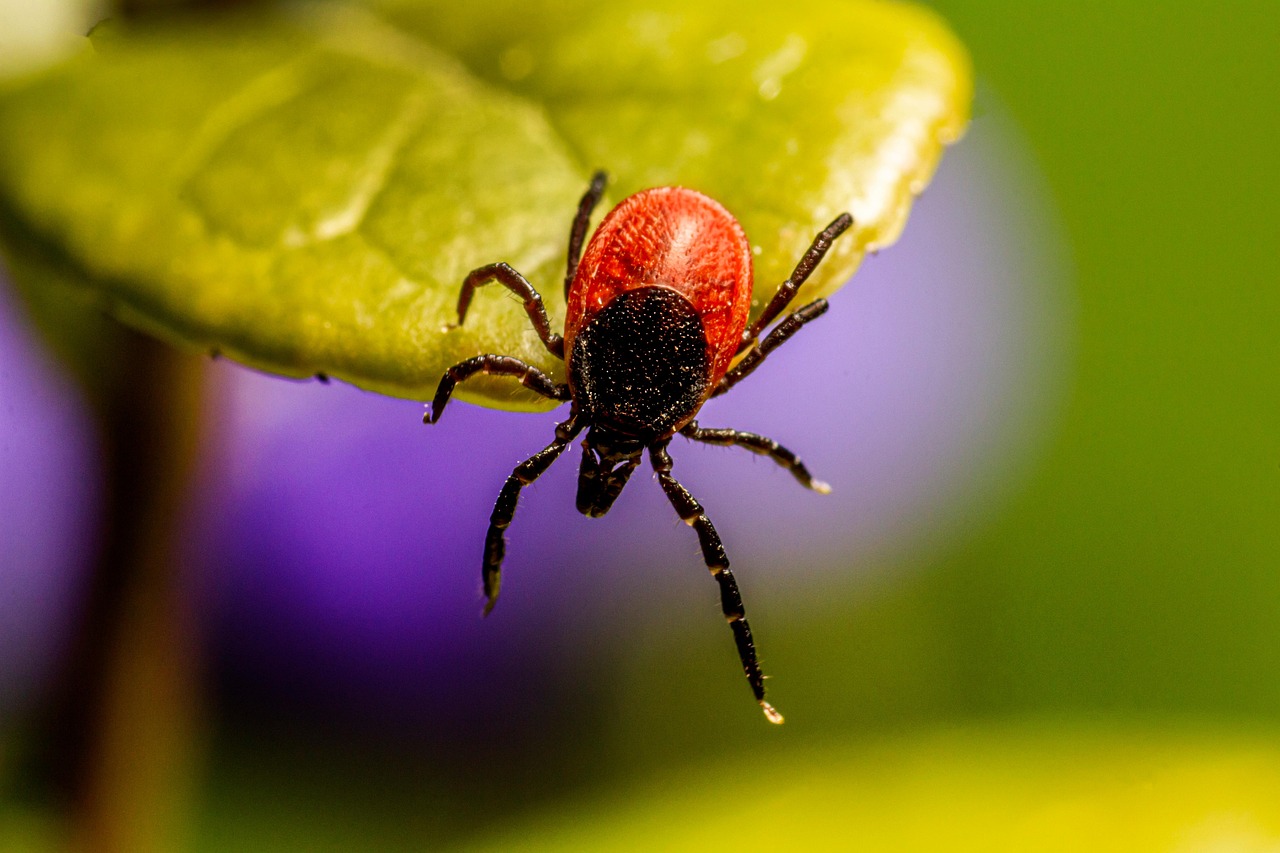
LINCOLN, Neb. – As spring and summer mark peak tick activity in Nebraska, the Nebraska Department of Health and Human Services urges all residents to remain vigilant and take simple steps to protect themselves, their loved ones and their pets from diseases spread by ticks such as Rocky Mountain Spotted Fever, Lyme disease, Ehrlichiosis and Alpha-Gal Syndrome, also known as the red meat allergy.
“As warmer weather brings more opportunities to spend time outdoors, it’s important for families to stay mindful of ticks and the health risks they can carry. Simple steps, such as using insect repellent, wearing protective clothing and checking for ticks after being outside, can go a long way in preventing illness,” said Dr. Sydney Stein, Nebraska State Epidemiologist. “By staying aware and taking precautions, we can all enjoy the outdoors safely while protecting our health, our kids, our pets and our communities.”
How to prevent tick bites and avoid tickborne diseases while enjoying time outdoors:
-Wear light-colored clothing to make ticks easier to find. Tuck long pants into socks and boots.
-Apply an Environmental Protection Agency-registered insect repellent containing 20 percent DEET, picaridin, IR3535, or Oil of Lemon Eucalyptus according to label directions.
-Treat clothing and gear with products containing 0.5 percent permethrin. Permethrin can be used to treat boots, clothing and camping gear and remains protective through several washings.
-Walk in the center of trails. Avoid wooded, brushy areas with high grass and leaf litter.
-Conduct full-body tick checks (underarms, ears, belly button, behind knees, between legs, waist, hair and scalp) every two to three hours. Immature ticks can be as small as a poppy seed, so make sure to look carefully. Learn about tick removal and symptom awareness with the Centers for Disease Control and Prevention (CDC) Tick Bite Guide.
-Pets should also be checked for ticks after being outdoors. Be sure to consult your veterinarian about appropriate tick prevention products to help protect your pets.
-Shower within two hours after coming indoors. Put clothes worn outdoors in the dryer on high heat for 10 minutes (or one hour for damp clothes) to remove ticks.
-If you become ill with fever and/or rash after being in an area where ticks may have been, contact your healthcare provider and mention potential exposure to ticks.
A great resource to help residents learn about local tick species and diseases they can pass on is the Nebraska Tick Surveillance Map. This map is an interactive tool that documents the counties in Nebraska where various tick species have been found and what diseases each species can carry.
“The Nebraska Tick Surveillance Map is a vital tool for both the public and healthcare providers,” said Dr. Stein. “It shares information on Nebraska’s tick activity, diseases that can be transmitted by these ticks and counties where these tick-borne disease pathogens have been detected. Nebraskans can utilize these maps to make informed decisions to protect the health of their families and animals.”
For more information, visit https://dhhs.ne.gov/Pages/Tick-Borne-Diseases.aspx