


By John E. Weare, Keep Alliance Beautiful
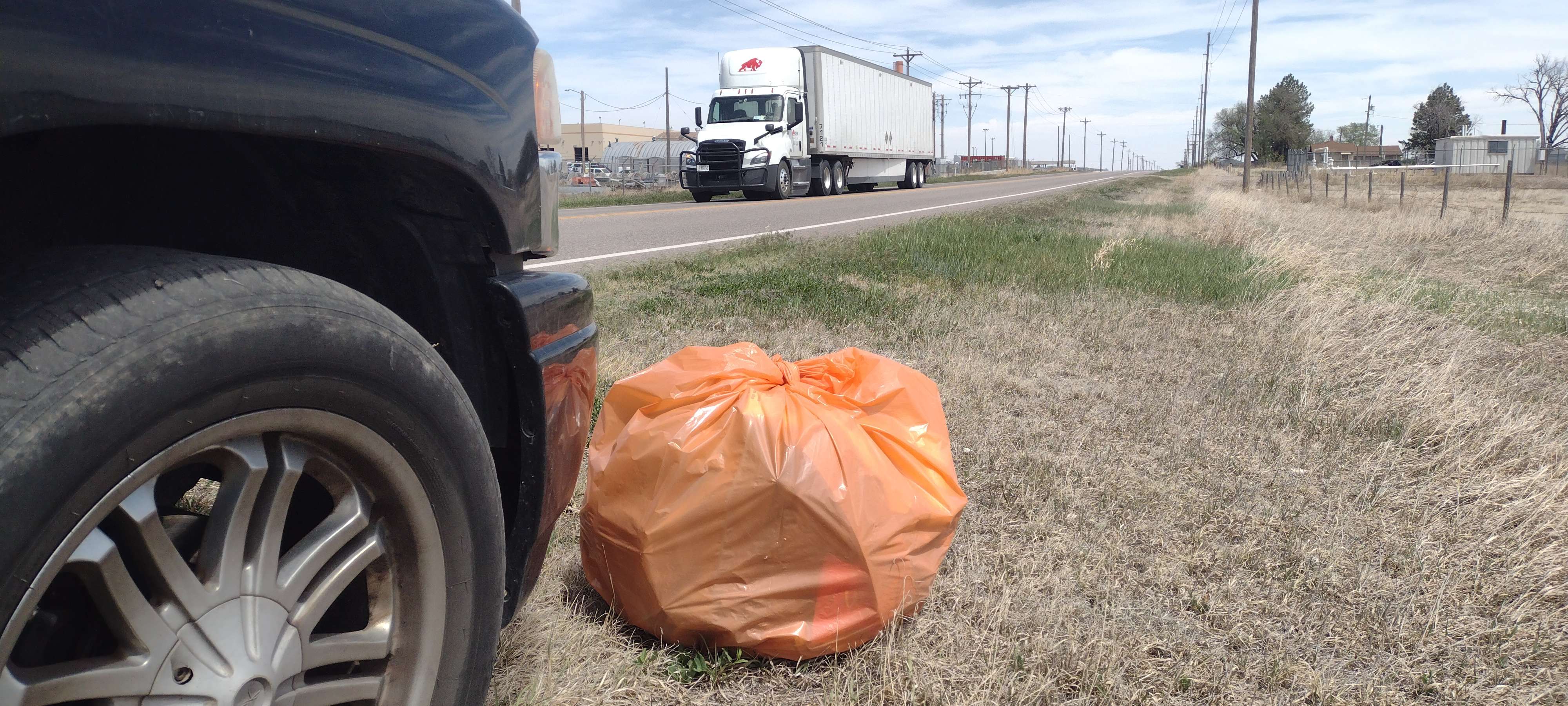
ALLIANCE, Neb. - Keep America Beautiful released the embargo on its eagerly anticipated 2026 National Litter Study at 9 a.m. ET Thursday, May 14. And guess what? Good news! The findings show a decline of just over a third (34 percent) between 2020 and 2025 from 49.6 billion pieces to 32.6 billion pieces along America’s roadways and waterways.
Affiliates and others initially heard about the results at the Keep America Beautiful Summit in New Orleans this past February. However, we agreed to keep the positive information under wraps until hearing the go ahead at the national level. The estimate was mid-March. The weeks flew by as the national organization focused on events such as the Greatest American Cleanup challenging everyone to “help make America clean, green and beautiful for its 250th birthday on July 4, 2026.” Now well into spring Americans can look at their own communities through the strides of litter prevention in America. Not everyone’s city or town matches the trend. If nothing else, the data shows what we should aspire to, or maybe validates local progress.
Despite progress the scope of the numbers can be daunting. From the study’s Snapshot of Litter in America: When coastal areas, estimated nationally for the first time, are included in the total, there are approximately 35 billion pieces of litter across America’s roadways, waterways and coastal areas. Per capita (along roadways and waterways) litter has dropped from 152 to 96 pieces per person. Roadway litter in America is down 22 percent from 2,857 items per mile in 2020 to 2,204 items per mile in 2025. This comes on top of a 54 percent reduction in roadway litter between 2009 and 2020.
Box Butte County is a poor place to count coastal and waterway litter. However, we do have way more than 1,000 miles of streets, county roads and highways. I do not make it a habit of county trash on a highway litter cleanup, yet I can say from experience that the two miles adopted by the Knights of Columbus north of Alliance on Highway 2/385 is cleaner overall than in 2009. Then again, when looking for wayward cardboard from our Keep Alliance Beautiful trailer to retrieve between the overpass and BNSF Railway diesel shop on Kansas Street, I picked up the same volume of trash within 50 feet of my vehicle as I did in a quarter of a mile on the aforementioned highway. Kansas Street seemed about the same last week as it did on a Boy Scout cleanup 20 years ago.
The Keep America Beautiful study does adhere to a methodology to account for notoriously littered areas and every other degree of cleanliness or the lack thereof. The narrative on the subject says the Visible Litter Study was conducted in late summer just as the 2020 study was.
“Building on methodologies used in the 1969, 2009 and 2020 studies, the HDR Project Team conducted fieldwork at 700 randomly selected sites nationwide, producing data representative of conditions across the U.S.” Sites from 2020 were resampled with additional sites added to "strengthen the validity” of estimates with coastal sites added for the first time in 2025.
Litter can be viewed as a category of material. When picking it up you notice more detail. The study splits litter into nine material groups and 115 product categories – 33 percent more than previous studies. The data also explains how the litter got there: motorist, pedestrian, improperly secured loads, overflowing containers, or vehicle debris.